Senior Cat Meowing Excessively: Why and What to Do
Senior cat meowing excessively? Learn the medical and cognitive causes, from hyperthyroidism to dementia, and practical ways to calm an over-vocal older cat.
When Your Quiet Cat Starts Talking Nonstop
Some cats are naturally chatty, but a noticeable jump in how much your older cat meows is worth paying attention to. Maybe a cat who used to greet you with a soft chirp now follows you from room to room calling loudly, or stands in the kitchen meowing long after the bowl is full. It can be endearing at first and maddening by week two, and underneath both reactions is a fair question: what is my cat trying to tell me?
In a senior cat, excessive meowing is a message, not misbehavior. The job is to decode it. Some causes are simple, like hunger or a desire for company. Many others are medical, and several of those are common, treatable diseases of aging. Working out which one you are dealing with is the path to a calmer, more comfortable cat.
Products That Help With Excessive Meowing

Pet Honesty Calming Treats for Cats
L-theanine and chamomile chews to ease anxious, attention-seeking meowing

FELIWAY FELIWAY Classic Calming Diffuser
Continuous pheromone signal that helps reduce stress-driven vocalizing
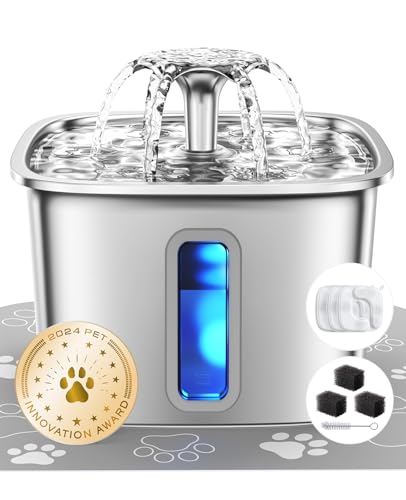
Veken Stainless Steel Cat Water Fountain
Encourages drinking in thyroid and kidney cats who meow from thirst
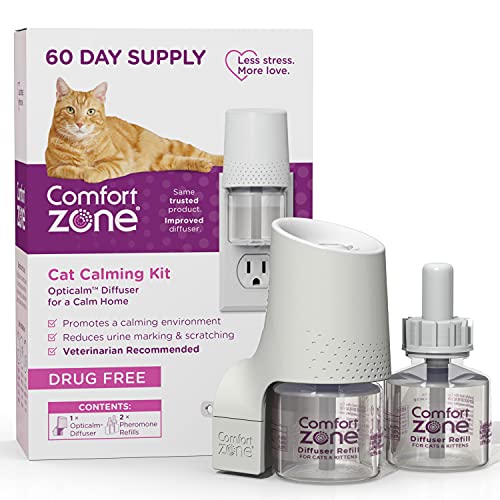
Comfort Zone Comfort Zone Calming Diffuser Kit
An alternative plug-in option for stressed, over-vocal cats
Product picks are researched, not veterinary advice. As an Amazon Associate we earn from qualifying purchases.
Medical Causes Behind the Meowing
Hyperthyroidism
An overactive thyroid tops the list of reasons older cats become noisy. The hormone surge speeds metabolism and leaves cats hungry, restless, and unable to settle, which often shows up as constant meowing, especially around food. Look for weight loss with a strong appetite, increased thirst, and an unkempt coat. Hyperthyroidism is very manageable, and treating it frequently turns the volume back down.
High Blood Pressure
Hypertension is common in senior cats and often accompanies thyroid and kidney disease. It can make cats agitated and vocal, and in severe cases it damages the eyes, causing sudden vision loss that triggers anxious, disoriented meowing. A simple blood pressure check at the clinic should be part of evaluating any newly vocal older cat.
Chronic Kidney Disease
Kidney disease leaves cats thirsty, nauseated, and generally unwell, all of which can prompt more meowing. A cat asking repeatedly for water, or who feels queasy and out of sorts, may vocalize their discomfort. While the disease is not curable, the right diet and medications help cats feel better and complain less.
Pain
Because cats mask pain so well, increased meowing is sometimes the clearest signal that something hurts. Arthritis stiffens aging joints, dental disease aches with every meal, and urinary problems sting in the litter box. Meowing that spikes during movement, jumping, or toileting deserves a pain assessment.
A Stainless Steel Fountain for a Senior Cat.Chronic kidney disease is the most common serious diagnosis in older cats, and the single most useful thing at home is getting more water into them. Cats drink more from moving water, and stainless steel is easier to keep clean than plastic, which is where biofilm and chin acne start.Affiliate link
Cognitive and Sensory Causes
Feline Cognitive Dysfunction
When treatable diseases have been excluded, cognitive dysfunction syndrome comes into focus. This dementia-like condition disrupts orientation and sleep, and excessive vocalizing is one of its most recognizable signs. Affected cats may meow into empty rooms, seem lost in familiar spaces, or call with a confused, searching tone, often worse at night. Management focuses on routine, enrichment, and sometimes supplements or medication from your vet.
Vision and Hearing Loss
A cat who cannot see or hear well feels more exposed and may meow for reassurance or simply because they can no longer judge how loud they are being. Deaf cats in particular tend to vocalize loudly without realizing it. Keeping their environment stable and predictable helps them feel secure.
Behavioral and Everyday Causes
Not every meow is a medical alarm. Once your vet has cleared your cat, consider these everyday drivers:
- Hunger or routine changes. Older cats often prefer small, frequent meals and will remind you loudly when one is due.
- Loneliness and boredom. Cats left alone for long stretches may meow for company or stimulation.
- Learned demand meowing. If meowing has reliably produced food, attention, or an open door, a smart cat will keep using it.
- Stress. A move, a new pet, a schedule change, or rearranged furniture can all unsettle a senior cat into vocalizing.
How to Help a Vocal Senior Cat
Address the Medical Cause First
If your vet finds hyperthyroidism, hypertension, kidney disease, or pain, treating it is by far the most effective way to reduce the noise. Everything else builds on that foundation.
Create Predictable Structure
Feed small meals on a consistent schedule, set aside daily interactive play, and keep bedtime calm and routine. When a cat's day is predictable, the anxious and demanding meowing tends to ease.
Meet Needs Proactively, Not Reactively
Keep water, food, litter, and cozy resting spots consistently available so genuine needs are already covered. Offer attention on your schedule rather than the instant your cat demands it, so meowing is not reinforced as the way to summon you.
Layer in Calming Support and Enrichment
A pheromone diffuser provides steady reassurance, calming treats can soften anxiety, and daytime enrichment such as window perches, food puzzles, and gentle play reduces boredom-driven vocalizing. A water fountain supports the steady drinking that thyroid and kidney cats need and can quiet thirst-related meowing.
Senior Cat Wellness & Care Planner
Track your aging cat's health, meds, vet visits, mobility, nutrition, and quality of life, all in one printable planner.
The Bottom Line
An older cat who suddenly will not stop talking is usually telling you something real. Resist the urge to simply quiet the sound, and instead listen to what it might mean. Start with a veterinary exam to catch the common, treatable diseases of aging, then build a calm, predictable, enriched routine at home. Decode the message, treat the cause, and most over-vocal senior cats settle back into a more comfortable, quieter rhythm.
Related Guides
- Senior Cat Yowling at Night - The nighttime version of over-vocalizing and its common causes.
- Old Cat Hiding More - Another behavior change that can signal pain or illness.
- Senior Cat Anxiety - Calming approaches for an anxious, vocal older cat.
Editor's Pick · Affiliate link
A Stainless Steel Fountain for a Senior Cat
Chronic kidney disease is the most common serious diagnosis in older cats, and moving water is the easiest way to raise daily intake. Stainless steel stays cleaner than plastic, which matters on a bowl that runs all day.
Frequently Asked Questions
Why is my old cat meowing so much all of a sudden?
A sudden increase in meowing in a senior cat usually signals something medical rather than a personality change. The leading causes are hyperthyroidism, high blood pressure, chronic kidney disease, pain, declining vision or hearing, and feline cognitive dysfunction. Hunger, thirst, and disorientation can all add to it. Because several of these are common and treatable, a vet exam with bloodwork and blood pressure is the right place to start.
Can excessive meowing mean my cat is in pain?
Yes. Cats are experts at hiding discomfort, so increased vocalizing can be one of the few outward signs of pain. Arthritis, dental disease, urinary problems, and abdominal discomfort can all make a cat more vocal, especially when moving, jumping, or using the litter box. If the meowing comes with stiffness, reduced jumping, hiding, or changes in eating or toileting, ask your vet to assess your cat for pain.
Is constant meowing a sign of dementia in cats?
It can be. Excessive, often loud and aimless vocalizing is a recognized sign of feline cognitive dysfunction syndrome, the cat form of dementia. These cats may meow into empty rooms, seem confused, or call repeatedly with no obvious need. Because hyperthyroidism and hypertension cause the same behavior and are treatable, dementia should only be diagnosed after those conditions are ruled out through testing.
Should I respond every time my senior cat meows?
Once medical causes are ruled out, the goal is to meet genuine needs without rewarding demand meowing in the moment. Keep food, water, a clean litter box, and a warm resting spot consistently available so true needs are covered. Then offer attention and play on a predictable schedule rather than in direct response to loud meowing. Punishment is never appropriate and tends to increase anxiety and vocalizing.
How can I reduce my cat's excessive meowing?
First treat any underlying disease your vet finds, since that often resolves much of the noise. Then add structure: scheduled interactive play, regular small meals, a calm bedtime routine, and easy access to all resources. Calming aids such as a pheromone diffuser or calming treats can help anxious or cognitively declining cats. Enrichment during the day reduces boredom-driven meowing, especially in cats left alone for long stretches.
When should excessive meowing prompt a vet visit?
See your vet if the meowing is new, increasing, or paired with weight loss, increased thirst or urination, vomiting, hiding, litter box changes, or confusion. These point to treatable senior conditions like hyperthyroidism, kidney disease, and hypertension. Early diagnosis protects your cat's organs and comfort and usually reduces the vocalizing. New, intense vocalizing while straining in the litter box is an urgent reason to be seen.
Do cats meow more as they get older just from age?
Age itself is not a complete explanation. While some increase in vocalizing can accompany sensory decline and cognitive aging, a meaningful change in how much your cat talks almost always has an identifiable driver. Hyperthyroidism and high blood pressure are so common in older cats that they should be checked before chalking the behavior up to age. Treat the cause and the meowing usually improves.
Need more help with your aging cat?
Browse our guides by topic to find practical solutions.
Wellness Planner: $39