Senior American Shorthair Care Guide
Caring for an aging American Shorthair: HCM heart disease, obesity, arthritis, dental care, and the best products for this hardy, long-lived senior cat breed.
The American Shorthair is the all-American working cat: sturdy, healthy, even-tempered, and famously low-maintenance. Bred from the hardy cats that earned their keep as mousers, the breed is prized for its robust constitution and long lifespan, and many American Shorthairs sail into their late teens with relatively few problems. That hardiness is a genuine gift, but it carries a hidden risk: a tough, stoic cat hides illness well, and owners can be lulled into skipping the senior care that keeps a robust cat robust.
American Shorthairs typically live 15 to 20 years and are considered senior around age 10. This guide covers the conditions most likely to affect an aging American Shorthair, especially heart disease, obesity, arthritis, and dental disease, along with the products and routines that keep a sturdy senior comfortable. It is educational and meant to complement, not replace, the care of your veterinarian.
Top Picks for Senior American Shorthairs

Nutramax Cosequin Joint Supplement for Cats
Glucosamine and chondroitin chews to support aging joints and ease arthritis.
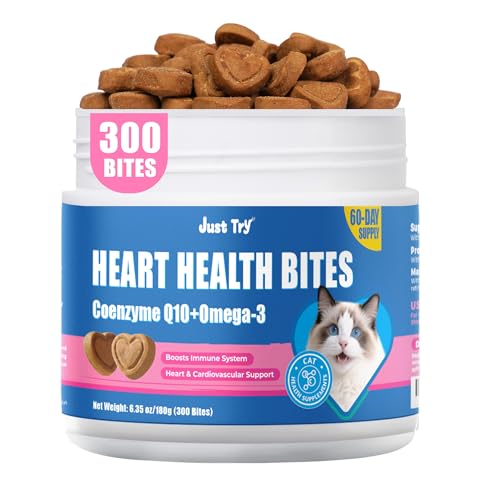
Just Try CoQ10 & Taurine Heart Bites
CoQ10 and taurine chews to support the heart as an American Shorthair ages.

Calorie-conscious formula to help manage weight in a sturdy, food-loving breed.

BOHESI Jumbo Low-Entry Litter Box
Low entrance makes the box easy to enter for an arthritic senior cat.
Product picks are researched, not veterinary advice. As an Amazon Associate we earn from qualifying purchases.
Heart Disease in the American Shorthair
Though celebrated for its overall health, the American Shorthair is among the breeds in which hypertrophic cardiomyopathy is reported, the most common heart disease in cats. In HCM, the muscular wall of the heart's main pumping chamber thickens, reducing how much blood it holds and impairing its ability to relax and fill. The disease can progress to heart failure or generate a blood clot that lodges where the aorta branches to the hind legs, causing sudden, painful paralysis.
As with all cats, HCM in the American Shorthair tends to be silent until a crisis, and a hardy breed gives few early hints. Periodic cardiac exams by your veterinarian, with an echocardiogram when indicated, are the best way to catch it. A simple home tool helps too: count your sleeping cat's breaths over one minute, since a healthy cat usually stays under 30 and a sustained rise can warn of trouble. See our heart disease and HCM guide for the full picture.
A Stainless Steel Fountain for a Senior Cat.Chronic kidney disease is the most common serious diagnosis in older cats, and the single most useful thing at home is getting more water into them. Cats drink more from moving water, and stainless steel is easier to keep clean than plastic, which is where biofilm and chin acne start.Affiliate link
Weight Management for a Sturdy Breed
The American Shorthair's robust, muscular frame and easygoing nature make it prone to weight gain, particularly as a senior slows down. Obesity is one of the most consequential problems in older cats because it compounds nearly every other concern: it overloads arthritic joints, strains a heart that may already be at risk for HCM, and is a leading cause of feline diabetes.
Keeping your senior American Shorthair lean is one of the highest-impact things you can do. Feed measured portions rather than free-feeding, choose a protein-rich diet, and consider wet food, which tends to be less calorie-dense while improving hydration. Gentle daily play sessions keep muscle tone and burn calories, and weighing your cat regularly helps you catch gradual gain. Your veterinarian can assess body condition and recommend a target weight and a safe pace of loss, since cats must never crash-diet.
Senior Cat Wellness & Care Planner
Track your aging cat's health, meds, vet visits, mobility, nutrition, and quality of life, all in one printable planner.
Arthritis and Mobility
The great majority of senior cats, American Shorthairs included, develop osteoarthritis, most often in the hips, knees, elbows, and spine. Because cats almost never limp, the signs are easy to miss: a cat that no longer leaps to the counter, takes the stairs hesitantly, sleeps in lower spots, or grooms less over its back is often quietly arthritic. A matted or unkempt coat over the lower back is a classic clue.
Support aging joints by keeping your cat lean, offering a daily joint supplement with glucosamine and chondroitin, and adding an omega-3 fatty acid for its anti-inflammatory effect. Around the home, provide soft supportive bedding in warm spots, ramps or steps to favorite perches, and a low-entry litter box so a stiff cat does not have to climb a high rim. Our signs your old cat is in pain guide details what to watch for.
Dental Care and Routine Monitoring
Dental disease is among the most common and most overlooked problems in senior cats of every breed. Painful, infected teeth and gums reduce appetite, cause drooling and bad breath, and send a steady stream of bacteria into the bloodstream that taxes the kidneys and heart. A consistent routine of daily dental care where tolerated, dental treats, a water additive, and professional cleanings under your veterinarian's guidance protects the whole cat. Learn more in our dental disease in senior cats guide.
Finally, resist the temptation to treat a hardy American Shorthair as maintenance-free. Its very toughness can hide developing disease, so twice-yearly veterinary checkups with bloodwork, attention to weight, and watchfulness for subtle changes in appetite, activity, or litter box habits are what keep this sturdy breed thriving deep into old age.
Related Senior Cat Guides
- Heart Disease & HCM in Senior Cats - A real risk even in a hardy breed.
- Diabetes in Senior Cats - Closely tied to weight in this food-loving breed.
- Signs Your Old Cat Is in Pain - Spotting hidden arthritis early.
- All Breed-Specific Senior Cat Guides - Care tailored to your cat's breed.
Editor's Pick · Affiliate link
A Stainless Steel Fountain for a Senior Cat
Chronic kidney disease is the most common serious diagnosis in older cats, and moving water is the easiest way to raise daily intake. Stainless steel stays cleaner than plastic, which matters on a bowl that runs all day.
Frequently Asked Questions
When is an American Shorthair considered a senior?
American Shorthairs are generally considered senior around 10 years of age. This is a hardy, long-lived breed with an average lifespan of 15 to 20 years, so many enjoy a lengthy old age. Despite their robust reputation, senior American Shorthairs still develop the heart, weight, dental, and joint issues common to aging cats, so twice-yearly veterinary visits with bloodwork and a cardiac exam are well worth it once a cat reaches double digits.
Are American Shorthairs prone to heart disease?
Yes. American Shorthairs are among the breeds in which hypertrophic cardiomyopathy, or HCM, is reported, the most common feline heart disease, in which the heart muscle thickens and cannot fill properly. It often develops silently until heart failure or a blood clot occurs. Periodic veterinary cardiac exams and echocardiograms help monitor an aging American Shorthair, and at home you can track the resting breathing rate while your cat sleeps.
Why is obesity a concern for American Shorthairs?
American Shorthairs have a sturdy, muscular build and an easygoing, moderately active nature, and many become overweight as they age and slow down, especially if free-fed. Obesity strains the joints, stresses the heart, and is a leading risk factor for diabetes. Keeping your senior American Shorthair lean with measured portions and gentle play is one of the most effective ways to extend both lifespan and comfort.
Do American Shorthairs get arthritis as they age?
Yes. Like most cats, the great majority of senior American Shorthairs develop some degree of osteoarthritis, often in the hips, knees, elbows, or spine. Cats rarely limp, so the signs are subtle: less jumping, hesitation on stairs, reduced grooming over the back, and sleeping in easier-to-reach spots. Joint supplements, weight control, soft bedding, and a low-entry litter box all help keep an arthritic senior comfortable.
How important is dental care for a senior American Shorthair?
Very important. Dental disease is one of the most common and most underdiagnosed problems in senior cats of every breed. Painful gums and infected teeth reduce appetite and send bacteria into the bloodstream, stressing the kidneys and heart. Daily dental care where tolerated, dental treats, a water additive, and professional cleanings under your veterinarian's guidance protect both the mouth and the organs downstream.
What should I feed a senior American Shorthair?
Feed a high-quality, protein-rich diet with controlled portions to prevent weight gain, and plenty of moisture to support the kidneys. Many owners feed senior wet food to boost hydration and help with weight management. Because the breed is prone to obesity, avoid leaving food out all day. If a chronic condition like kidney disease, diabetes, or heart disease is diagnosed, your veterinarian may recommend a therapeutic diet tailored to it.
Is the American Shorthair really a low-maintenance senior cat?
The American Shorthair is famously healthy, independent, and easy to groom, which earns its low-maintenance reputation. But low-maintenance does not mean no-maintenance. A hardy breed can mask illness well, and its very robustness sometimes leads owners to skip the senior monitoring that catches problems early. Regular veterinary checkups, weight control, dental care, and attention to subtle behavior changes keep this sturdy breed thriving into old age.
Need more help with your aging cat?
Browse our guides by topic to find practical solutions.
Wellness Planner: $39