Senior Himalayan Cat Care Guide
Caring for an aging Himalayan: polycystic kidney disease, flat-face breathing and tear staining, daily coat care, dental health, and the best products for senior Himalayans.
The Himalayan is the glamorous result of crossing the Persian's luxurious body and flat face with the Siamese's striking color points and blue eyes. The result is a calm, sweet-natured, supremely fluffy lap cat that loves quiet companionship and a gentle routine. Recognized by some registries as a color variety of the Persian rather than a separate breed, the Himalayan shares the Persian's beauty and, importantly, its inherited health risks.
With a typical lifespan of 9 to 15 years, most Himalayans are considered senior around age 9 or 10. This guide walks through the breed's most important aging concerns, the kidney disease it is predisposed to, the breathing and eye issues that come with a flat face, and the demanding coat care a long-haired cat needs as it ages. It is educational and meant to complement, not replace, the care of your veterinarian.
Top Picks for Senior Himalayans

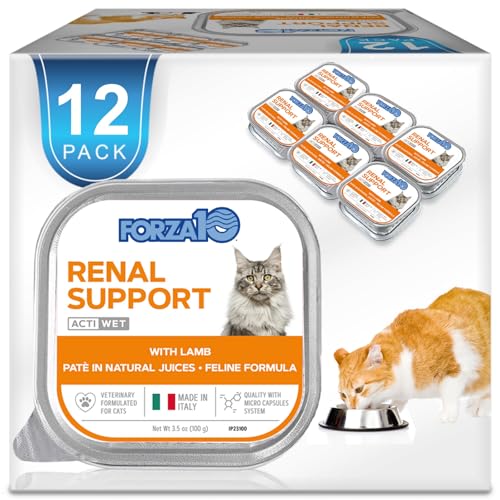
Forza10 Renal Support Wet Cat Food
Vet-formulated, phosphorus-controlled food for a PKD-prone breed.
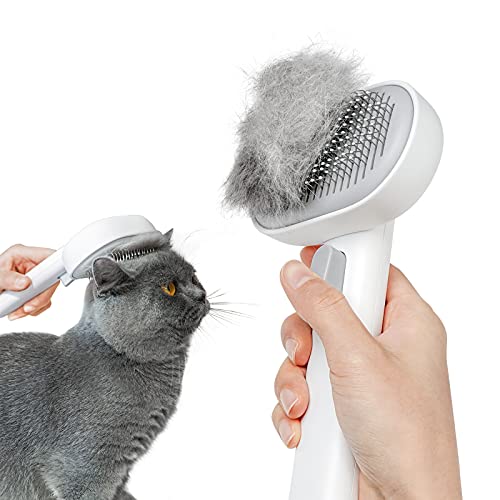
Aumuca Soft Cat Grooming Brush
Detangles the long double coat and reduces painful mats.
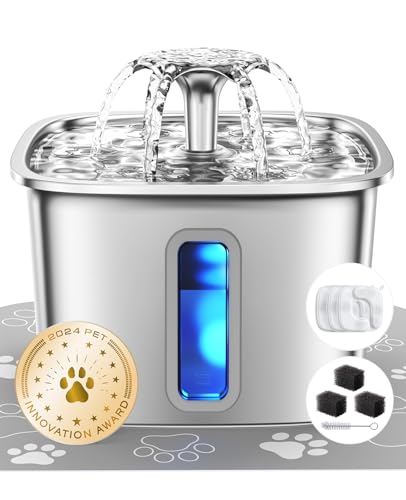
Veken Stainless Steel Water Fountain
Encourages drinking to support kidneys vulnerable to cysts.
Product picks are researched, not veterinary advice. As an Amazon Associate we earn from qualifying purchases.
Polycystic Kidney Disease: The Breed's Signature Risk
If there is one health issue every Himalayan owner should understand, it is polycystic kidney disease. Because the Himalayan descends directly from the Persian, it carries the same strong predisposition to PKD, a disorder in which fluid-filled cysts are present in the kidneys from birth and slowly enlarge over the years. As the cysts grow, they crowd out and destroy healthy kidney tissue, leading to chronic kidney disease that often becomes apparent in middle age or the early senior years.
The early signs are the classic kidney signals: drinking more water, producing larger clumps in the litter box, losing weight, and eating less. PKD can be confirmed with a kidney ultrasound or a DNA test, and responsible breeders screen their lines to reduce its spread. For a senior Himalayan, the practical takeaway is vigilant monitoring: bloodwork and a urinalysis twice a year, including the SDMA marker that flags kidney decline early. Catching it before symptoms appear lets a phosphorus-controlled diet and good hydration add comfortable years. Learn more in our guide to kidney disease in senior cats.
A Stainless Steel Fountain for a Senior Cat.Chronic kidney disease is the most common serious diagnosis in older cats, and the single most useful thing at home is getting more water into them. Cats drink more from moving water, and stainless steel is easier to keep clean than plastic, which is where biofilm and chin acne start.Affiliate link
The Flat Face: Breathing and Eye Care
The Himalayan's adorable flat, brachycephalic face comes with real anatomical trade-offs. The shortened skull compresses the nasal passages and airway, which can cause noisy breathing, snoring, reduced tolerance for heat and exertion, and difficulty in hot weather. In old age, when the heart and lungs may already be working harder, a brachycephalic cat has less reserve to spare, so keep your senior Himalayan cool, calm, and unstressed, and treat any open-mouth or labored breathing as an emergency requiring immediate care.
The same flat face crowds the tear ducts, so most Himalayans tear excessively, leaving reddish-brown stains and damp folds beneath the eyes. Left alone, that moisture breeds skin infection and matting. Wipe the area daily with a vet-approved eye wipe, keep the surrounding hair trimmed, and watch for changes in discharge, squinting, or cloudiness, which warrant a veterinary check since the breed is also prone to certain hereditary eye conditions.
Senior Cat Wellness & Care Planner
Track your aging cat's health, meds, vet visits, mobility, nutrition, and quality of life, all in one printable planner.
Daily Coat Care for a Long-Haired Senior
The Himalayan's flowing double coat is breathtaking and relentless to maintain. Unlike most breeds, a Himalayan needs daily brushing throughout its life, and the need becomes more pressing in old age, when arthritis makes the twisting of self-grooming painful and the cat does less of the work itself. Mats form quickly in the britches, belly, armpits, and dense ruff, where they pull tightly on thinning senior skin, trap moisture and waste, and hide wounds or lumps.
Comb your senior Himalayan daily, working all the way down to the skin rather than skimming the surface, and never cut a mat with scissors since the skin tents into it. Keep the rear and sanitary area trimmed, especially important for a senior that may struggle to clean itself after using the litter box. Many owners schedule periodic professional grooming, including a "lion cut" in warm months, which also eases the breathing and heat challenges of the flat face. Each grooming session doubles as a head-to-tail health check.
Feeding, Comfort, and Daily Care
Nutrition for a senior Himalayan centers on protecting the kidneys with high-quality protein and plenty of moisture, leaning on senior wet food and a water fountain. The flat face can make eating from a deep bowl awkward, so offer food in a shallow, wide dish. Watch portions, since this calm, low-energy breed gains weight easily, and weigh your cat regularly because the thick coat hides changes. If kidney disease is diagnosed, a phosphorus-controlled therapeutic diet becomes the cornerstone of care.
Provide soft bedding in warm, quiet spots, an easy-access litter box on each floor, and keep up dental care, since flat-faced breeds often have crowded teeth prone to disease. Browse our nutrition and comfort and pain sections for more ways to support an aging Himalayan at home.
Related Senior Cat Guides
- Kidney Disease in Senior Cats - The breed's signature risk explained in depth.
- Senior Persian Cat Care - The Himalayan's close relative shares its needs.
- Common Health Problems in Senior Cats - The full picture of feline aging.
- All Breed-Specific Senior Cat Guides - Care tailored to your cat's breed.
Editor's Pick · Affiliate link
A Stainless Steel Fountain for a Senior Cat
Chronic kidney disease is the most common serious diagnosis in older cats, and moving water is the easiest way to raise daily intake. Stainless steel stays cleaner than plastic, which matters on a bowl that runs all day.
Frequently Asked Questions
At what age is a Himalayan considered a senior?
Himalayans are generally considered senior around 9 to 10 years of age, with a typical lifespan of 9 to 15 years. As a Persian variety with the same flat face and long coat, the Himalayan shares the Persian's inherited risks. An aging Himalayan benefits from twice-yearly veterinary visits, baseline bloodwork with a urinalysis, blood pressure checks, and daily grooming and face care, since its concerns develop quietly and its coat needs constant attention.
Do Himalayans get polycystic kidney disease?
Yes, polycystic kidney disease, or PKD, is the most significant inherited concern in the Himalayan, just as in the Persian. Fluid-filled cysts are present in the kidneys from birth and slowly enlarge, destroying healthy tissue until chronic kidney disease develops, often in middle age. A DNA test or ultrasound confirms it, and reputable breeders screen. Routine blood and urine testing lets diet and hydration slow the decline once disease appears.
What breathing problems do flat-faced Himalayans have?
The Himalayan's flat, brachycephalic face compresses the nasal passages and airway, which can cause noisy or labored breathing, reduced heat tolerance, and trouble in hot weather. In old age, any added strain on the heart or lungs hits a brachycephalic cat harder. Keep your Himalayan cool and calm, avoid overexertion in heat, and treat open-mouth or labored breathing as an emergency requiring immediate veterinary care.
How do I care for a Himalayan's eyes and tear staining?
The flat face crowds the tear ducts, so Himalayans often have excessive tearing that leaves reddish-brown stains and damp folds below the eyes. Wipe the area daily with a vet-approved eye wipe to prevent skin infection and matting, and keep the hair around the eyes trimmed. Sudden changes in discharge, squinting, or cloudiness deserve a veterinary check, since the breed is also prone to certain eye conditions.
How often should I groom a senior Himalayan?
A Himalayan's long, dense double coat needs daily brushing, and that need only grows as the cat ages and grooms itself less because arthritis makes twisting painful. Mats form fast in the britches, belly, armpits, and ruff, where they tug on senior skin and hide problems. Daily combing, regular sanitary trims around the rear, and occasional professional grooming keep the coat manageable and the cat comfortable.
What should I feed a senior Himalayan?
Feed a high-quality, protein-rich diet with plenty of moisture to protect the kidneys, the breed's weak point given the PKD risk. Many owners rely on senior wet food and a water fountain. The flat face can make eating awkward, so a shallow, wide dish helps. Watch portions to prevent obesity in this calm breed, and if kidney disease is diagnosed, a phosphorus-controlled therapeutic diet becomes the foundation of care.
How can I tell if my senior Himalayan is unwell?
Watch for increased thirst and urination and weight loss, which point to kidney disease, plus changes in breathing, eye discharge, or appetite. Because the long coat hides weight loss and the flat face masks subtle distress, run your hands over the body during grooming and weigh your cat regularly. Any of these changes deserves a prompt veterinary visit with bloodwork, since early detection improves the outlook for this breed.
Need more help with your aging cat?
Browse our guides by topic to find practical solutions.
Wellness Planner: $39