Senior Oriental Shorthair Care Guide
Caring for an aging Oriental Shorthair: amyloidosis of the liver and kidneys, dental disease, asthma, staying engaged, and the best products for senior Oriental cats.
The Oriental Shorthair is the Siamese reimagined in a dazzling range of colors and patterns: the same long, lithe, fine-boned body, the same wedge-shaped head and large ears, but in more than 300 coat variations. Brilliant, intensely social, and famously talkative, the Oriental forms passionate bonds with its people and rarely stops communicating. That vivid personality stays remarkably bright deep into old age.
With a typical lifespan of 12 to 15 years, and many cats reaching their late teens, most Oriental Shorthairs are considered senior around age 10. Because the breed is so closely related to the Siamese, it shares several of its inherited risks. This guide covers the most important ones, amyloidosis, dental disease, and asthma, along with the daily care this energetic, vocal breed needs as it ages. It is educational and meant to complement, not replace, the care of your veterinarian.
Top Picks for Senior Oriental Shorthairs

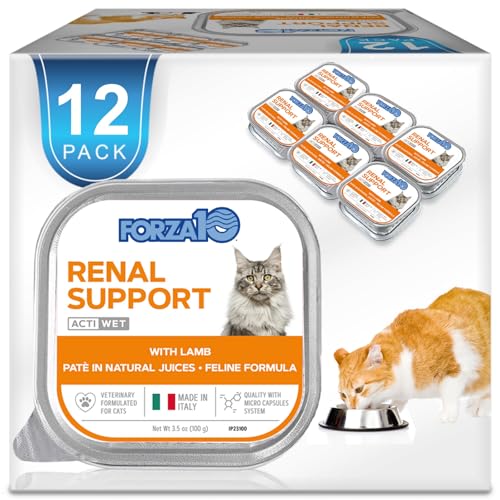
Forza10 Renal Support Wet Cat Food
Vet-formulated, phosphorus-controlled food where kidneys are affected.
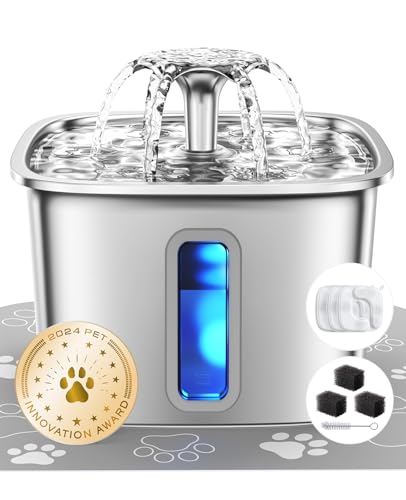
Veken Stainless Steel Water Fountain
Encourages drinking to support the liver and kidneys.

Catstages Tower of Tracks Cat Toy
Self-play track toy that keeps a busy, vocal senior engaged.
Product picks are researched, not veterinary advice. As an Amazon Associate we earn from qualifying purchases.
Amyloidosis: The Breed's Most Serious Inherited Risk
The most important inherited concern in the Oriental Shorthair is amyloidosis, the same disorder that troubles the closely related Siamese. In this condition, an abnormal protein called amyloid is laid down in the body's organs, where it gradually interferes with normal function. In oriental breeds it tends to target the liver and kidneys, and a severe deposit can even cause a fragile liver to bleed. Because organ damage builds slowly, the disease often surfaces in middle age rather than late life.
The early signs are frustratingly vague: a reduced appetite, gradual weight loss, lethargy, and sometimes yellowing of the gums or eyes if the liver is heavily involved. There is no simple cure, which makes monitoring the key. A senior Oriental should have regular bloodwork that tracks both liver and kidney values, so that a downward trend is caught early and supportive care, including a therapeutic diet and good hydration, can begin while the cat still feels well. Learn more about the kidney side of this picture in our guide to kidney disease in senior cats.
A Stainless Steel Fountain for a Senior Cat.Chronic kidney disease is the most common serious diagnosis in older cats, and the single most useful thing at home is getting more water into them. Cats drink more from moving water, and stainless steel is easier to keep clean than plastic, which is where biofilm and chin acne start.Affiliate link
Dental Disease in a Fine-Boned Breed
Oriental Shorthairs, like Siamese and other oriental breeds, are notably prone to dental disease: gingivitis, periodontal disease, and painful tooth resorption where the tooth erodes from within. Their delicate facial bone structure and genetics both play a part. By the senior years, many Orientals carry significant dental disease that they conceal with the stoicism typical of cats, even though it causes real, ongoing pain.
Watch for drooling, dropping kibble, chewing on one side, pawing at the mouth, or a sudden preference for soft food. Daily toothbrushing with a feline enzymatic paste is the gold standard where your cat tolerates it, and annual professional cleanings under anesthesia let your veterinarian probe below the gumline and treat resorptive lesions invisible from the outside. Dental disease is not confined to the mouth: its bacteria strain the kidneys and heart, organs this breed cannot spare. See our guide to dental disease in senior cats for a full plan.
Senior Cat Wellness & Care Planner
Track your aging cat's health, meds, vet visits, mobility, nutrition, and quality of life, all in one printable planner.
Asthma and Respiratory Health
Oriental breeds carry a higher-than-average risk of feline asthma and chronic bronchial disease, in which the airways become inflamed and narrowed. The signs can be mistaken for a hairball: a hunched posture, an extended neck, and a dry, wheezy cough. The critical thing every Oriental owner should know is that open-mouth or labored breathing in a cat is always an emergency and warrants immediate veterinary care.
If your senior Oriental coughs or wheezes repeatedly, ask your veterinarian to evaluate for asthma, which is very manageable once diagnosed, usually with inhaled or oral medication. You can also reduce airway irritants at home: avoid scented sprays, candles, and smoke, choose a low-dust litter, and keep the home well ventilated. Controlling asthma protects both comfort and the oxygen supply an aging body depends on.
Keeping a Vocal, Social Breed Thriving
The Oriental Shorthair's defining trait is its need for interaction. These cats are loud, opinionated, and deeply attached, and they do not mellow into quiet wallflowers with age the way some breeds do. A senior Oriental still wants conversation, company, and play, and it can become stressed, depressed, or even more vocal if those needs go unmet. Provide daily interactive play and plenty of attention to keep both body and mind engaged.
Pay attention to changes in that famous voice. A sudden increase in loud, disoriented yowling, especially at night, can signal high blood pressure, hyperthyroidism, or cognitive dysfunction rather than simple demands. This slim, fine-boned breed rarely becomes overweight, so treat weight loss as a warning sign. Keep fresh water available, provide soft bedding and an easy-access litter box on each floor, and browse our comfort and pain section for more ideas.
Related Senior Cat Guides
- Dental Disease in Senior Cats - A major concern for oriental breeds.
- Kidney Disease in Senior Cats - Protecting kidneys affected by amyloidosis.
- Cognitive Dysfunction in Senior Cats - When nighttime yowling means more than demands.
- All Breed-Specific Senior Cat Guides - Care tailored to your cat's breed.
Editor's Pick · Affiliate link
A Stainless Steel Fountain for a Senior Cat
Chronic kidney disease is the most common serious diagnosis in older cats, and moving water is the easiest way to raise daily intake. Stainless steel stays cleaner than plastic, which matters on a bowl that runs all day.
Frequently Asked Questions
At what age is an Oriental Shorthair considered a senior?
Oriental Shorthairs are generally considered senior around 10 years of age, with a typical lifespan of 12 to 15 years and many cats reaching their late teens. Closely related to the Siamese, the breed shares several of its inherited risks. An aging Oriental benefits from twice-yearly veterinary visits, baseline bloodwork with a urinalysis, blood pressure checks, and careful dental exams, since the breed's main concerns develop quietly.
What is amyloidosis in Oriental Shorthairs?
Oriental Shorthairs, like their Siamese relatives, are predisposed to amyloidosis, in which an abnormal protein called amyloid deposits in organs and damages them. In this breed it most often affects the liver and kidneys, leading to organ dysfunction that can appear in middle age. Signs are vague at first: poor appetite, weight loss, and lethargy. Routine bloodwork that monitors liver and kidney values helps catch the decline before it becomes a crisis.
Why are Oriental Shorthairs prone to dental disease?
Oriental Shorthairs, along with Siamese and other oriental breeds, have an above-average tendency toward periodontal disease, gingivitis, and tooth resorption. Their fine bone structure and genetics contribute. By the senior years, many have painful dental disease they hide well. Daily toothbrushing where tolerated, dental-friendly diets, and annual professional cleanings under anesthesia protect both comfort and the kidneys and heart that oral bacteria can strain.
Do Oriental Shorthairs have breathing or asthma problems?
Yes, oriental breeds including the Oriental Shorthair are more prone than average to feline asthma and bronchial disease. Watch for coughing, wheezing, or episodes of open-mouth breathing, which are always an emergency in cats. A senior Oriental with a recurring cough should be evaluated, since asthma is manageable with medication once diagnosed. Keep the air clean by avoiding scented sprays, smoke, and dusty litter.
Are Oriental Shorthairs vocal and active in old age?
Very much so. The Oriental Shorthair is one of the most talkative, social, and energetic breeds, and that lively, demanding personality usually persists well into the senior years. They crave attention and interaction and can become stressed or vocal if ignored. Keep an aging Oriental engaged with daily play and company, and treat any sudden increase in nighttime yowling as a possible sign of high blood pressure or cognitive decline.
What should I feed a senior Oriental Shorthair?
Feed a high-quality, protein-rich diet with plenty of moisture to support the liver and kidneys, the organs amyloidosis targets in this breed. Many owners rely on senior wet food and a water fountain. This slim, fine-boned breed rarely struggles with obesity, but watch for the weight loss that signals disease. If liver, kidney, or dental issues are diagnosed, your veterinarian may recommend a therapeutic diet.
How can I tell if my senior Oriental Shorthair is unwell?
Watch for poor appetite, weight loss, and lethargy, which can signal amyloidosis affecting the liver or kidneys, plus drooling or dropping food, which point to dental pain, and coughing or wheezing, which suggest asthma. Add the general senior signals of increased thirst, hiding, or litter box changes. Because this breed is slim and stoic about illness, any of these changes deserves a prompt veterinary visit with bloodwork.
Need more help with your aging cat?
Browse our guides by topic to find practical solutions.
Wellness Planner: $39