Old Cat Bad Breath: Causes & Solutions
Bad breath in senior cats usually signals dental disease, but can point to kidney disease or diabetes. Learn what the smell means, how to freshen breath at home, and when to see your veterinarian.
Many cat owners notice it during a cuddle: a yawn or a head nuzzle brings a whiff of breath strong enough to make you pull back. It is easy to laugh off as fishy cat breath, but in a senior cat, persistent bad breath is rarely just an odor. More often it is the smell of a problem brewing in the mouth, and sometimes a clue to disease elsewhere in the body.
Because cats are so good at hiding pain, bad breath is frequently the first and only sign owners get that something is wrong. This guide explains what different breath odors can mean, how to freshen your cat's breath at home, and when the smell warrants a veterinary visit. It is educational and meant to support, not replace, your veterinarian's care.
Fresh Breath & Dental Care Picks for Senior Cats

Oxyfresh Pet Dental Water Additive
Mixes into the water bowl to fight odor-causing bacteria daily

Greenies Dental Cat Treats for Tartar
Crunchy texture helps reduce plaque and tartar between cleanings
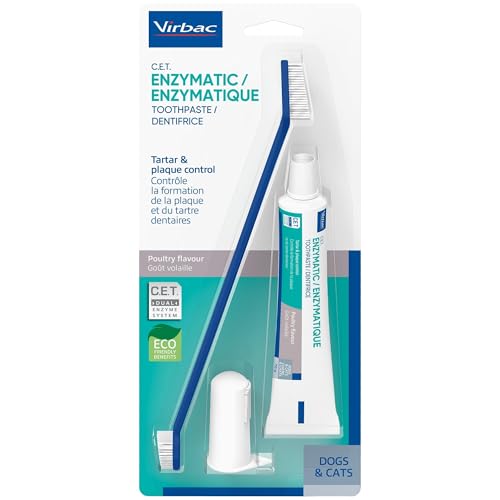
Virbac Cat Toothbrush and Toothpaste Kit
Enzymatic toothpaste and brush for the gold-standard home dental routine

Tartar Shield Tartar Control Dental Treats
Daily dental treats formulated to clean teeth and freshen breath
Product picks are researched, not veterinary advice. As an Amazon Associate we earn from qualifying purchases.
What Bad Breath Is Telling You
Healthy cat breath is fairly neutral. A strong, unpleasant odor means something has changed, and the nature of the smell offers real clues. By far the most common source is the mouth itself, but the breath can also reflect what is happening deeper in the body.
- Foul, rotten odor: The signature of dental disease, where bacteria thrive on plaque and inflamed, infected gums.
- Chemical or ammonia-like smell: Can accompany advanced kidney disease as waste products build up in the blood.
- Sweet or fruity odor: A possible sign of diabetes.
- Very foul smell with drooling: May point to severe stomatitis, a mouth ulcer, or an oral tumor.
Dental Disease: The Usual Cause
The great majority of bad breath in senior cats comes down to dental disease, which is remarkably common in older cats. It begins when plaque, a film of bacteria, accumulates along the gumline and hardens into tartar. The bacteria inflame the gums, causing gingivitis, and over time the inflammation destroys the structures holding the teeth, leading to painful periodontal disease.
Two conditions especially common in older cats add to the problem. Resorptive lesions are painful cavities where the tooth structure breaks down, and stomatitis is a severe, painful inflammation of the mouth. Both cause odor and real discomfort, yet a cat may keep eating and give little outward sign, which is why the breath is often the first warning.
Senior Cat Wellness & Care Planner
Track your aging cat's health, meds, vet visits, mobility, nutrition, and quality of life, all in one printable planner.
Freshening Breath at Home
Lasting fresh breath starts with treating any underlying dental disease at the veterinarian, but a consistent home routine slows plaque, supports gum health, and keeps breath fresher between professional cleanings.
| Home Tool | How It Helps |
|---|---|
| Daily tooth brushing | The gold standard, physically removing plaque before it hardens |
| Dental treats | Texture helps scrape plaque and tartar as the cat chews |
| Water additives | Add an antibacterial element that freshens breath and slows buildup |
| Dental diets | Specially shaped kibble cleans the tooth surface while eating |
The single most effective step is brushing. Use a soft cat toothbrush or finger brush with enzymatic toothpaste made for cats, never human toothpaste, which is toxic to them. Introduce it slowly: let your cat taste the paste, then touch the brush to a few teeth, building toward a gentle daily habit over a week or two. Even a few sessions a week meaningfully reduce plaque and odor.
When to See the Veterinarian
Bad breath is one of the easiest signs to ignore and one of the most worth acting on. Make an appointment if the odor is new or worsening, or if it comes with any of these mouth-related signs.
- Drooling or pawing at the mouth: Common signs of oral pain.
- Dropping food or chewing on one side: The cat is avoiding a painful area.
- Red, bleeding, or swollen gums: Evidence of active gum disease.
- Reduced appetite or weight loss: Eating has become uncomfortable.
A chemical or sweet breath odor, rather than a simple rotten smell, deserves bloodwork to check for kidney disease or diabetes. When dental disease is the cause, a professional cleaning under anesthesia, sometimes with extractions, is the only way to address it fully, and it often relieves hidden pain your cat had been quietly enduring.
The Bigger Picture
It is worth remembering that fresh breath is really a marker of comfort and health. A senior cat whose mouth feels good eats better, grooms better, and feels better overall. Pairing a simple home dental routine with regular veterinary checkups keeps your cat's breath pleasant and, far more importantly, spares it the silent ache of dental disease. Do not let a strong-smelling yawn become the thing you got used to.
Related Guides
- Dental Disease in Senior Cats - The full guide to the most common cause of bad breath.
- Kidney Disease in Senior Cats - When breath odor reflects an internal problem.
- Old Cat Losing Weight - How painful teeth can lead to weight loss.
Editor's Pick · Affiliate link
A Stainless Steel Fountain for a Senior Cat
Chronic kidney disease is the most common serious diagnosis in older cats, and moving water is the easiest way to raise daily intake. Stainless steel stays cleaner than plastic, which matters on a bowl that runs all day.
Frequently Asked Questions
Why does my old cat have such bad breath?
The most common reason is dental disease. Plaque and tartar build up along the gumline, feeding bacteria that produce the foul odor and inflaming the gums, a condition called gingivitis that can progress to painful periodontal disease. Resorptive lesions and stomatitis, both common in older cats, also cause odor and pain. Less often, the breath smell points to a body-wide problem such as kidney disease or diabetes, so persistent bad breath always deserves a veterinary exam.
Is bad breath a sign of disease in cats?
It can be. While dental disease is the usual culprit, certain breath odors hint at internal illness. A chemical or ammonia-like smell can accompany advanced kidney disease, a sweet or fruity odor can signal diabetes, and a very foul smell with drooling may point to severe mouth disease or a tumor. Because the cause ranges from treatable dental problems to systemic disease, a senior cat with notably bad breath should be examined rather than just given a breath treat.
How can I get rid of my cat's bad breath?
Start with a veterinary exam, since lasting fresh breath depends on treating the cause. If dental disease is found, a professional cleaning under anesthesia, sometimes with extractions, addresses it at the root. At home, daily brushing with cat-specific enzymatic toothpaste is the gold standard, supported by dental treats, water additives, and dental diets. These home tools slow plaque between cleanings but work best alongside professional care, not instead of it.
Can I brush my senior cat's teeth?
Yes, and it is the single most effective home step for fresh breath and dental health. Use a soft cat toothbrush or a finger brush and toothpaste made for cats, never human toothpaste, which contains ingredients toxic to them. Introduce it gradually over days, letting your cat taste the paste first, then briefly touching the brush to a few teeth, building up to a gentle daily routine. Even a few times a week makes a real difference.
Do dental treats and water additives actually work for cats?
They help as part of a routine but are not a cure on their own. Dental treats with a verified seal can reduce plaque and tartar through their texture, and water additives add an antibacterial element that freshens breath and slows buildup. Both are useful, low-effort supplements, especially for cats that resist brushing. They work best combined with brushing and regular professional cleanings rather than as a standalone fix for established dental disease.
When should a cat with bad breath see the vet?
Promptly, especially if the bad breath is new or worsening, or if it comes with drooling, pawing at the mouth, dropping food, eating on one side, bleeding gums, weight loss, or a reluctance to eat. These point to painful dental disease that needs treatment. A chemical or sweet odor warrants bloodwork to check for kidney disease or diabetes. Bad breath is easy to ignore, but it is often the first sign of a problem your cat cannot tell you about.
Is bad breath painful for my cat?
Often, yes. The dental disease behind most feline halitosis, including gum infection, periodontal disease, and resorptive lesions, can be genuinely painful, yet cats hide it so well that owners rarely notice until it is advanced. A cat may keep eating despite real discomfort. That hidden pain is part of why bad breath should not be brushed off: treating the underlying dental disease often relieves a source of suffering you did not know your cat had.
Need more help with your aging cat?
Browse our guides by topic to find practical solutions.
Wellness Planner: $39