Old Cat Drinking Lots of Water: What It Means
Increased thirst is a key early warning sign in senior cats. Learn why an old cat drinks more water, the three diseases most often behind it, how to measure intake, and when to see your veterinarian.
You find yourself refilling the water bowl more often than you used to, or you catch your senior cat lapping from the bathroom faucet and lingering at the tub. Increased thirst is easy to dismiss as a small quirk, but in an older cat it is one of the most valuable warning signs there is, and it deserves attention.
A genuine, sustained jump in how much your cat drinks usually points to one of a handful of important diseases, all of which are far easier to manage when caught early. This guide explains why senior cats drink more, the conditions most often responsible, how to measure your cat's intake at home, and when a trip to the veterinarian is in order. It is educational and meant to support, not replace, your veterinarian's care.
Hydration & Monitoring Picks for a Thirsty Senior Cat
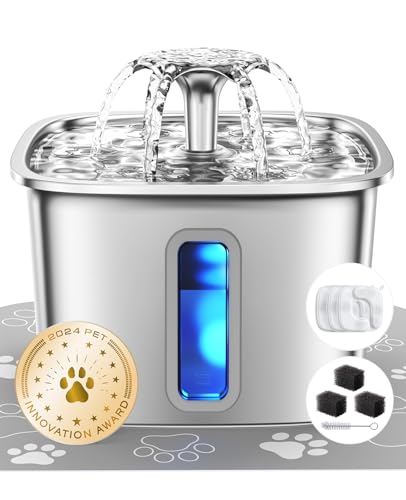
Veken Stainless Steel Cat Water Fountain
Encourages a thirsty cat to stay hydrated with appealing flowing water

AlphaTRAK Pet Blood Glucose Monitoring Kit
Track blood sugar at home if diabetes is behind the increased thirst
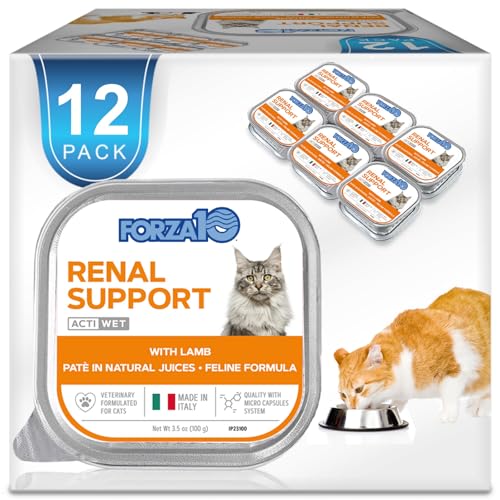
Forza10 Vet-Formulated Renal Wet Food
Supports kidneys, the most common reason a senior cat drinks more

TIKI PETS Senior Wet Cat Food Variety Pack
High-moisture senior food that supports daily hydration
Product picks are researched, not veterinary advice. As an Amazon Associate we earn from qualifying purchases.
Why Thirst Is Such an Important Clue
Cats descend from desert animals and are built to get much of their water from prey. Left to their own devices they tend to drink relatively little, which is exactly why a clear increase in drinking stands out so much. When a cat that rarely visited the water bowl starts emptying it daily or seeking water around the house, the body is telling you it is losing fluid faster than normal and trying to compensate.
The medical term for excessive thirst is polydipsia, and it almost always travels with its partner polyuria, excessive urination, since whatever goes in must come out. Together they form a pattern that veterinarians take seriously in any senior cat.
The Three Usual Suspects
While several things can raise thirst, three diseases account for the great majority of cases in older cats, and all three are common after the age of ten.
- Chronic kidney disease: The most frequent cause. Damaged kidneys can no longer concentrate urine, so the cat produces large volumes of dilute urine and drinks more to avoid dehydration. Other clues include weight loss, a poor appetite, and bad breath.
- Hyperthyroidism: An overactive thyroid revs the whole body, including thirst. Look for weight loss with a hearty appetite, restlessness, and a fast heart rate.
- Diabetes: High blood sugar spills into the urine and drags water with it, causing heavy drinking and urination. The classic picture is increased thirst plus weight loss despite eating well.
Senior Cat Wellness & Care Planner
Track your aging cat's health, meds, vet visits, mobility, nutrition, and quality of life, all in one printable planner.
Measuring Your Cat's Water Intake
Telling your veterinarian that your cat is drinking more is helpful, but a rough measurement is even better. You can gauge intake at home with a simple method, then compare the result against the normal and excessive thresholds in our cat water intake chart.
| Step | What to Do |
|---|---|
| Fill a known amount | Measure a set volume of water into the bowl |
| Check after 24 hours | Measure how much is left to see how much was consumed |
| Account for variables | Note evaporation, other pets, and any wet food, which also provides water |
| Track the trend | Repeat over a few days to confirm a real, sustained increase |
As a rough guide, a healthy average cat takes in around a cup of water a day from all sources. A cat consistently drinking well beyond that, especially one eating wet food yet still drinking heavily, is worth investigating.
What Not to Do
It can be tempting to limit water when a cat seems to be overdoing it, but this is one of the most dangerous mistakes you can make. In kidney disease, diabetes, and the other causes of increased thirst, the extra drinking is keeping the cat alive and hydrated against a body that is losing fluid. Restricting water can tip the cat into a dehydration crisis within hours.
Instead, keep fresh water freely and abundantly available, offer multiple stations, and consider a fountain to encourage healthy intake. The goal is never to reduce drinking but to find and treat the reason behind it.
When to See the Veterinarian
Because increased thirst is so often the first sign of a treatable disease, do not wait it out. Schedule a veterinary visit if you notice your cat drinking noticeably more, seeking water from unusual places, producing larger or more frequent litter clumps, or showing thirst alongside weight loss, appetite changes, or lethargy.
Your veterinarian will run bloodwork and a urine test, which usually identify the cause quickly. Catching kidney disease, hyperthyroidism, or diabetes early gives you the best chance of managing it well and giving your cat more comfortable, happy years. That extra trip to the water bowl is your cat's way of asking for help, and it is worth listening to.
Related Guides
- Kidney Disease in Senior Cats - The most common cause of increased thirst.
- Diabetes in Senior Cats - Heavy drinking paired with weight loss.
- Hyperthyroidism in Senior Cats - An overactive thyroid that raises thirst.
Editor's Pick · Affiliate link
A Stainless Steel Fountain for a Senior Cat
Chronic kidney disease is the most common serious diagnosis in older cats, and moving water is the easiest way to raise daily intake. Stainless steel stays cleaner than plastic, which matters on a bowl that runs all day.
Frequently Asked Questions
Why is my senior cat suddenly drinking so much water?
A noticeable increase in thirst, called polydipsia, is one of the most important warning signs in older cats. The three most common causes are chronic kidney disease, hyperthyroidism, and diabetes, all of which become common after age ten. Each makes the body lose extra water, so the cat drinks more to keep up. Because these conditions are serious but treatable, a senior cat that starts drinking noticeably more should see a veterinarian for bloodwork.
How much water should a cat drink per day?
A healthy cat needs roughly 50 milliliters of water per kilogram of body weight daily, or about a cup a day for an average cat, much of which can come from wet food. Cats eating only dry food drink more from the bowl to make up the difference. Rather than a precise number, watch for change: a cat that empties the bowl far faster than before, seeks out faucets and sinks, or produces much larger litter clumps is drinking more than it used to.
How can I tell if my cat is drinking more than normal?
Look for changes you can actually see. You may refill the water bowl more often, catch your cat drinking from faucets, sinks, tubs, or plant saucers, or notice much larger and more frequent clumps in the litter box, since extra drinking means extra urinating. To measure it, fill the bowl with a known amount and check how much is gone after a day, keeping in mind evaporation and other pets. Report any clear increase to your veterinarian.
Should I limit my cat's water if it is drinking a lot?
No, never restrict water from a cat that is drinking more. In conditions like kidney disease and diabetes, the cat genuinely needs that extra water to replace what the body is losing, and taking it away can cause dangerous dehydration very quickly. Increased thirst is a symptom to investigate, not to suppress. Always keep fresh water freely available and see your veterinarian to find and treat the underlying cause.
What does increased thirst plus weight loss mean in a cat?
That combination is a strong signal of one of the major senior diseases. Increased thirst with weight loss and a big appetite suggests hyperthyroidism or diabetes, while increased thirst with weight loss and a poor appetite leans toward kidney disease. Diabetes in particular classically pairs heavy drinking and urination with weight loss despite eating. Any cat showing both increased thirst and weight loss needs prompt bloodwork to sort out which condition is responsible.
Is increased thirst always a sign of disease in cats?
Not always, but it should never be ignored. Hot weather, more activity, a switch from wet food to dry, or certain medications can raise water intake harmlessly. However, a genuine and sustained increase in thirst in a senior cat is far more often a sign of kidney disease, hyperthyroidism, or diabetes than a harmless quirk. Because these conditions are so much easier to manage when caught early, increased drinking is always worth a veterinary check.
Need more help with your aging cat?
Browse our guides by topic to find practical solutions.
Wellness Planner: $39