Old Cat Panting: Why Cats Pant & When to Worry
Panting in cats is not routine like in dogs. Learn the harmless and serious causes in senior cats, the emergency red flags, and how to keep an older cat cool and breathing easy.
Seeing your cat pant the way a dog does can be startling, and for good reason. Cats do not pant routinely to cool off, so open-mouth breathing in a cat is far more likely to mean something than it would in a dog. While a brief pant after a frantic play session or on a hot day can be harmless, panting that lingers or appears at rest is a signal worth heeding.
This guide explains when panting is harmless, when it points to a problem with the heart or lungs, and the emergency signs that mean you should not wait. It also covers practical ways to keep an older cat cool and comfortable. This article is educational and meant to support, not replace, your veterinarian's care.
Cooling & Comfort Picks for a Panting Cat
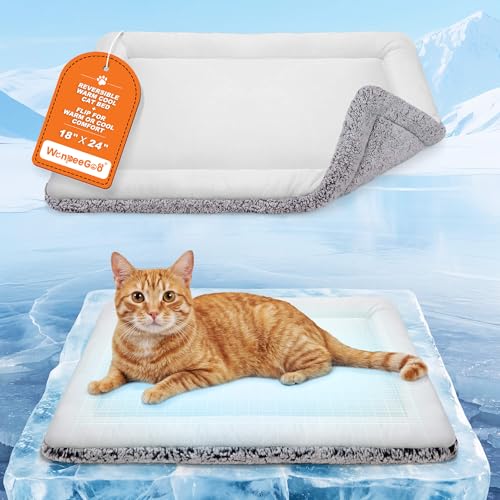
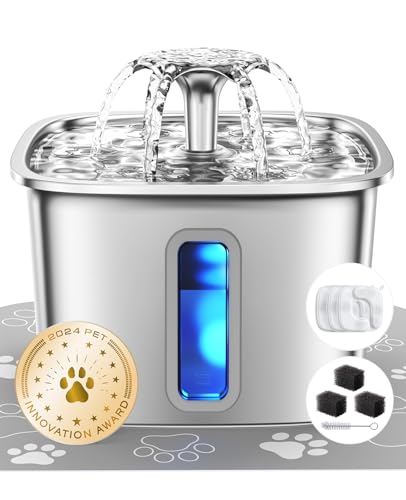
Veken Stainless Steel Cat Water Fountain
Encourages the drinking that supports temperature control


Morpilot Soft-Sided Cat Carrier
Calm, ventilated transport for an urgent trip to the vet
Product picks are researched, not veterinary advice. As an Amazon Associate we earn from qualifying purchases.
When Panting Can Be Harmless
Cats occasionally pant for benign reasons, and these episodes share a common thread: they resolve quickly with rest. The usual harmless triggers are intense play or exertion, a stressful event such as a car ride or vet visit, and genuine heat. In each case, moving your cat to a cool, quiet spot and giving it a few minutes should bring the breathing back to normal.
The rule of thumb is timing. Panting that fades within several minutes of calm, cool rest is usually nothing to fear. Panting that persists, returns, or appears with no obvious cause crosses into territory that needs a closer look.
The Serious Causes
When panting is not explained by heat, stress, or exertion, the causes that matter most involve the heart and lungs.
- Heart disease: Hypertrophic cardiomyopathy is the leading feline heart disease. When it progresses to heart failure, fluid backs up around the lungs and the cat may pant or breathe fast.
- Pleural effusion: Fluid in the chest cavity stops the lungs from expanding, forcing rapid, open-mouth breathing.
- Feline asthma: Airway inflammation causes coughing, wheezing, and labored breathing.
- Anemia: Too few red blood cells leave the body short of oxygen, so it breathes harder. Gums may look pale.
- Pain: Significant pain can drive faster, open-mouth breathing in some cats.
A Stainless Steel Fountain for a Senior Cat.Chronic kidney disease is the most common serious diagnosis in older cats, and the single most useful thing at home is getting more water into them. Cats drink more from moving water, and stainless steel is easier to keep clean than plastic, which is where biofilm and chin acne start.Affiliate link
Emergency Red Flags
Certain signs mean you should head straight to an emergency clinic.
- Open-mouth breathing at rest: A resting cat breathing through its mouth needs help now.
- Heaving belly: Visible, exaggerated effort with each breath.
- Hunched with neck extended: A cat trying to maximize airflow, often with elbows out.
- Blue, gray, or pale gums: A sign of poor oxygen delivery.
- Collapse or extreme weakness: The cat cannot settle or is unresponsive.
When moving a cat in distress, keep handling gentle and minimal, use a well-ventilated carrier, and do not force the cat into a position it resists. Stress can worsen a struggling cat quickly, so calm matters as much as speed.
Senior Cat Wellness & Care Planner
Track your aging cat's health, meds, vet visits, mobility, nutrition, and quality of life, all in one printable planner.
Keeping a Senior Cat Cool
For panting tied to heat, prevention is straightforward and effective.
- Offer a cooling mat: A cool surface gives your cat a comfortable place to shed heat.
- Keep water everywhere: Several bowls and a fountain encourage the hydration that aids cooling.
- Provide shade and airflow: Keep the home comfortably cool and avoid hot sunrooms or parked cars.
- Watch the vulnerable: Older, overweight, and heart-compromised cats overheat most easily on hot days.
Monitoring at Home
If your cat has heart disease, tracking the sleeping respiratory rate is one of the most useful things you can do. Count one breath per rise and fall of the chest over 30 seconds while your cat sleeps, then double it, and log the number a few times a week. A steady baseline is reassuring, while a clear upward trend, especially a sleeping rate above 30 breaths per minute, can warn of fluid building up before your cat looks sick, giving your veterinarian a chance to act early.
Panting in a cat is a message that deserves attention. If it passes quickly with rest in a cool place, you can relax. If it lingers, returns, or appears at rest, treat it as a sign that the heart or lungs may need help, and get your veterinarian involved without delay.
Related Guides
- Old Cat Breathing Fast - How to count and interpret your cat's breathing rate.
- Heart Disease and HCM in Senior Cats - The leading reason a cat pants at rest.
- Feline Asthma in Older Cats - When wheezing and coughing drive labored breathing.
Editor's Pick · Affiliate link
A Stainless Steel Fountain for a Senior Cat
Chronic kidney disease is the most common serious diagnosis in older cats, and moving water is the easiest way to raise daily intake. Stainless steel stays cleaner than plastic, which matters on a bowl that runs all day.
Frequently Asked Questions
Is it normal for cats to pant like dogs?
No. Unlike dogs, cats do not pant routinely to cool down, and open-mouth breathing in a cat is uncommon. Brief panting can occasionally be normal right after vigorous play, intense stress, or in genuine heat, and it should settle within a few minutes of rest in a cool, calm place. Panting that lasts longer, appears without an obvious trigger, or comes with any sign of effort is not normal and should be taken seriously as a possible sign of heart or lung disease.
Why is my old cat panting?
Panting in a senior cat can stem from overheating, stress or a recent fright, or strenuous activity, all of which resolve with rest. More concerning causes include heart disease such as hypertrophic cardiomyopathy, fluid around the lungs, asthma, anemia, and pain. Because panting can be an early sign that the heart or lungs are struggling, a senior cat that pants at rest, or that keeps panting after it has cooled and calmed down, should be seen by a veterinarian promptly.
When is panting in a cat an emergency?
Treat panting as an emergency if your cat breathes with an open mouth at rest, has a heaving belly, sits hunched with its neck stretched out and elbows pushed away from the body, has blue, gray, or pale gums, or collapses. These signs mean the body is struggling to get enough oxygen, which can happen with heart failure or fluid in the chest. Keep your cat calm, avoid stressful handling, and get to an emergency clinic without delay.
Can stress or heat make a cat pant?
Yes. A frightening event, a car ride, a vet visit, or a hot day can prompt a cat to pant briefly. The key is how quickly it resolves: stress or heat panting should ease within several minutes once the cat is calm and cool. Help by moving your cat to a quiet, cool, well-ventilated spot, offering water, and giving it time and space. If panting persists beyond about 10 to 15 minutes of rest, treat it as a medical concern rather than simple stress.
How can I keep my senior cat cool in hot weather?
Provide shade and good airflow, keep the home comfortably cool, and make fresh water easy to reach, since hydration helps a cat regulate temperature. A cooling mat gives a cat a cool surface to lie on, and a pet fountain encourages drinking. Avoid leaving a cat in a hot car or sunroom, and watch closely on hot days, as older and overweight cats and those with heart or breathing conditions are most vulnerable to overheating and heatstroke.
How is the cause of panting diagnosed?
Because a panting cat may be in respiratory distress, veterinarians often give oxygen and let the cat settle before doing anything stressful. Once stable, the workup may include listening to the chest, chest X-rays or a quick bedside ultrasound to check for fluid or an enlarged heart, a blood pressure reading, and bloodwork including a heart marker called NT-proBNP. Identifying whether the problem is the heart, the lungs, the chest cavity, or simple overheating guides the right treatment.
Can I monitor my cat's breathing at home?
Yes, and counting the sleeping respiratory rate is especially valuable for a cat with known heart disease. While your cat sleeps, count one breath for each rise and fall of the chest over 30 seconds, then double it. A relaxed cat usually sits in the teens or low twenties. A sustained climb, particularly a sleeping rate above 30 breaths per minute, can be an early warning that fluid is building up and is a reason to call your veterinarian promptly.
Need more help with your aging cat?
Browse our guides by topic to find practical solutions.
Wellness Planner: $39