When to Euthanize a Cat With Kidney Disease
A compassionate guide to end-stage feline kidney disease: assessing quality of life, recognizing the final stages, comfort and hospice care, what euthanasia involves, and coping with grief.
If you are reading this, you are likely facing one of the hardest decisions a cat owner ever makes, and the fact that you are weighing it so carefully says everything about how much you love your cat. There is no perfect formula and no single right moment, but there are gentle, practical ways to think it through that can bring some clarity and peace to an impossibly tender situation.
This guide is written to help you assess your cat's quality of life, recognize the final stages of kidney disease, understand the comfort and hospice options available, know what euthanasia involves, and find some footing in the grief that follows. It is educational and meant to support, not replace, the conversation with your own veterinarian, who knows your cat and can help you decide.
Comfort & Keepsake Picks for End-of-Life Care

K&H Pet Products Heated Cat Bed
Soft, warming comfort for a frail cat in its final chapter

Hill's Prescription Diet Kidney Care Renal Wet Food
Palatable, moisture-rich food to tempt a cat still willing to eat
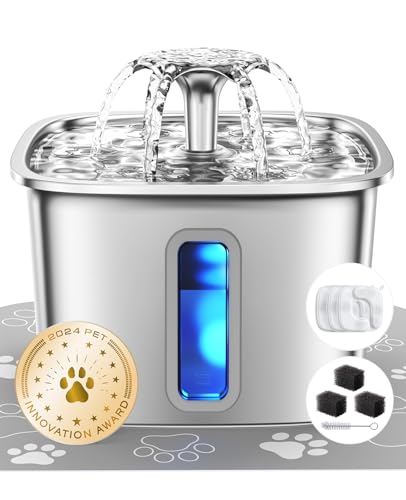
Veken Stainless Steel Cat Water Fountain
Easy hydration access for a cat that tires quickly

Product picks are researched, not veterinary advice. As an Amazon Associate we earn from qualifying purchases.
There Is Rarely One Clear Moment
Many owners wait for an unmistakable sign that the time has come, and that sign often does not arrive the way they expect. Cats are stoic, and the decline of kidney disease can be gradual. Rather than searching for a single dramatic moment, it usually helps to step back and look at the overall trend of your cat's days. Is your cat still finding joy, comfort, and dignity in its life, or has the balance tipped toward suffering and withdrawal? That larger picture is what guides most thoughtful decisions.
Assessing Quality of Life
Quality-of-life scales exist to turn an overwhelming emotional judgment into something you can actually observe and track. They ask you to consider factors such as these.
- Appetite: Is your cat still eating willingly, or refusing food despite treatment?
- Hydration: Can hydration be maintained, or is the cat persistently dehydrated?
- Comfort and pain: Is nausea, mouth pain, or discomfort controlled?
- Hygiene: Is the cat still grooming and able to stay clean?
- Happiness: Does your cat still seek affection, rest comfortably, and show interest in life?
- Mobility: Can the cat move to its food, water, and litter without struggle?
- More good days than bad: Honestly, which kind of day is now more common?
A simple, powerful tool is to mark each day on a calendar as good or bad. Over a week or two, the pattern becomes clear in a way that day-to-day emotion can obscure. When bad days outnumber good ones and the things your cat once loved no longer reach it, the calendar often answers the question for you.
The Final Stages of Kidney Disease
In advanced kidney disease, the body can no longer clear waste, and several signs tend to cluster together.
- Refusal to eat: Persistent nausea and a buildup of toxins suppress appetite despite anti-nausea medication.
- Severe weight and muscle loss: The cat becomes thin and frail.
- Vomiting and mouth ulcers: Painful sores and recurrent vomiting make eating miserable.
- Weakness and withdrawal: The cat hides, stops grooming, and loses interest in family.
- Dehydration fluids cannot fix: Even subcutaneous fluids no longer keep the cat comfortable.
- Anemia and high blood pressure: Pale gums, exhaustion, and complications add to the burden.
Insurance and Senior Cat Costs.If you are earlier in your cat's kidney journey, pet insurance can ease the cost of fluids, medication, and monitoring so that finances never drive a care decision. Get a fast, free quote based on your cat's age and breed.Affiliate link
Comfort and Hospice Care
Before euthanasia, many families choose a period of hospice care, shifting the goal from fighting the disease to keeping the cat comfortable. With your veterinarian's guidance, this can include anti-nausea medication, appetite stimulants, subcutaneous fluids, pain relief, warm and soft bedding, and arranging food, water, and litter so they are easy to reach. Hospice can buy precious quality time and give you and your family room to prepare. It works best when you and your veterinarian agree in advance on the signs that will tell you comfort can no longer be maintained.
Senior Cat Wellness & Care Planner
Track your aging cat's health, meds, vet visits, mobility, nutrition, and quality of life, all in one printable planner.
What Euthanasia Involves
Understanding the process can ease some of the fear. Euthanasia is gentle and painless. The veterinarian usually gives a sedative first so your cat relaxes and feels calm and sleepy, then administers a final injection that stops the heart peacefully within seconds, often while you stroke or hold your cat. Many veterinarians and mobile services offer in-home euthanasia, allowing your cat to pass in a familiar, beloved spot without the stress of travel. You are free to stay through the whole process or step away whenever you need to.
Coping With Grief and Guilt
The grief that follows is real and deserves to be honored. Guilt and second-guessing the timing are nearly universal, and it helps to remember that choosing to end a suffering cat's pain is a final act of love, sparing your cat what you would otherwise have to watch it endure. Lean on people who understand, consider a pet-loss support line or group, and make a small memorial if it brings you comfort. Be as gentle and patient with yourself as you were with your cat in its last days.
There is no decision in pet ownership that asks more of us. Whatever you choose and whenever you choose it, the care and love you have given your cat through its illness are what it will have known to the end. That is the truest measure of a good guardian.
Related Guides
- Kidney Disease in Senior Cats - Stages, treatment, and management of feline CKD.
- Signs Your Old Cat Is in Pain - Recognizing discomfort in a stoic cat.
- Old Cat Losing Weight - A hallmark of advancing kidney disease.
Editor's Pick · Affiliate link
A Stainless Steel Fountain for a Senior Cat
Chronic kidney disease is the most common serious diagnosis in older cats, and moving water is the easiest way to raise daily intake. Stainless steel stays cleaner than plastic, which matters on a bowl that runs all day.
Frequently Asked Questions
How do I know when it is time to euthanize a cat with kidney disease?
There is rarely a single clear moment, so many owners use a quality-of-life assessment instead. Consider whether your cat still eats willingly, stays hydrated, grooms, seeks affection, and has more good days than bad. When a cat in late-stage kidney disease stops eating despite treatment, hides constantly, cannot keep down food or water, and the bad days clearly outnumber the good, it is usually time. A frank conversation with your veterinarian, who can weigh the bloodwork against how your cat is living, helps confirm the decision.
What are the final stages of kidney disease in cats?
In advanced (IRIS stage 4) kidney disease, waste products build up in the blood and cause severe nausea, refusal to eat, weight loss and muscle wasting, weakness, vomiting, mouth ulcers, and dehydration that fluids no longer fully correct. Some cats develop low potassium, anemia that leaves them pale and exhausted, or high blood pressure. The cat often withdraws, stops grooming, and loses interest in food and family. These signs together indicate the disease has outpaced what treatment can comfortably manage.
How can I assess my cat's quality of life?
Quality-of-life scales ask you to rate factors like appetite, hydration, pain, hygiene, happiness, mobility, and the ratio of good days to bad, each on a simple scale. Keeping a daily diary, or marking good and bad days on a calendar, turns a hard, emotional judgment into something you can see over time. When the bad days clearly outnumber the good and the things your cat once enjoyed no longer interest it, the trend usually speaks for itself. Share your records with your veterinarian.
Is my cat in pain from kidney disease?
Kidney disease itself is not thought to be sharply painful, but its complications cause real suffering: nausea, mouth and stomach ulcers, headaches from high blood pressure, the deep fatigue of anemia, and the misery of dehydration and not eating. Cats hide discomfort, so signs like hiding, hunching, teeth grinding, drooling, reduced grooming, and withdrawal matter. Your veterinarian can address much of this with anti-nausea medication, appetite support, and fluids, which is why comfort care is part of the conversation long before euthanasia.
What happens during euthanasia and can it be done at home?
Euthanasia is a gentle, painless process. The veterinarian usually gives a sedative so your cat relaxes and feels calm, then administers a final injection that stops the heart peacefully within seconds, often while you hold or stroke your cat. Many veterinarians and dedicated mobile services offer in-home euthanasia, which lets a cat pass in its favorite spot without the stress of a car ride or clinic. You can choose to be present throughout or step away at any point, whatever feels right for you.
How do I cope with the guilt and grief afterward?
Guilt is one of the most common feelings after losing a pet, and second-guessing the timing is almost universal. It helps to remember that choosing euthanasia for a suffering cat is a final act of love that spares it pain you would otherwise have to watch it endure. Grief for a cat is real and deserves space. Lean on people who understand, consider a pet-loss support line or group, and create a small memorial if it brings comfort. Be as gentle with yourself as you were with your cat.
Should I consider hospice or comfort care before euthanasia?
Yes, hospice care is a meaningful option for many families. With veterinary guidance, you can focus on keeping your cat comfortable rather than fighting the disease, using anti-nausea medication, appetite stimulants, subcutaneous fluids, pain relief, warm soft bedding, and easy access to food, water, and litter. Hospice buys quality time and lets you and your family prepare emotionally, while you and your veterinarian agree in advance on the signs that will tell you comfort can no longer be maintained.
Need more help with your aging cat?
Browse our guides by topic to find practical solutions.
Wellness Planner: $39