Grooming Tips for Senior Cats: Gentle Care
Practical grooming tips for senior cats: gentle brushing, mat prevention, claw care, and waterless cleaning for older cats who can no longer groom themselves well.
A young cat keeps itself immaculate. It spends hours a day licking every inch of its coat into a sleek, even layer. So when an older cat starts to look greasy, flaky, or matted, it is one of the clearest signals that something has changed. Grooming is hard work, and an aging body cannot always keep up with it.
This is where you step in. Helping a senior cat stay clean and comfortable is not about vanity. It is about preventing painful mats, catching skin and health problems early, and giving your cat the dignity of a tidy coat when it can no longer manage on its own. The good news is that with the right tools and a gentle, patient approach, grooming an older cat can become a calm bonding routine rather than a battle. This guide is educational and meant to complement, not replace, your veterinarian's advice.
Gentle Grooming Tools for Senior Cats

Coastal Soft Slicker Brush for Cats
Gentle coated tips that lift loose fur without scratching aging skin
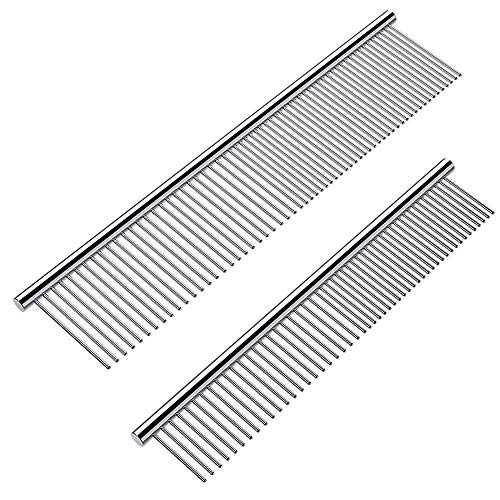
Cafhelp Stainless Steel Grooming Comb
Rounded-tip teeth to work through tangles before they become mats


earthbath earthbath Hypo-Allergenic Cat Wipes
Quick, no-rinse cleanup for greasy spots and soiled fur
Product picks are researched, not veterinary advice. As an Amazon Associate we earn from qualifying purchases.
Why Older Cats Need Help Grooming
Self-grooming requires a surprising amount of flexibility and energy. To clean the lower back, hips, and tail base, a cat has to twist and reach in ways that arthritic joints make painful. Studies of older cats find that the great majority have arthritis in at least one joint by their senior years, even when they show no obvious limp. The result is a telltale unkempt patch over the rump and along the back, the exact areas a stiff cat can no longer reach.
Other age-related changes pile on. Dental pain makes the licking motion itself uncomfortable. Overweight cats simply cannot fold their bodies far enough. And systemic illnesses common in seniors, such as kidney disease and hyperthyroidism, leave a cat too depleted to bother. A coat that turns greasy, clumped, or dandruff-flecked is often the first outward sign that an older cat is unwell or in pain, so it deserves attention rather than a shrug.
Brushing: The Heart of Senior Cat Grooming
Regular brushing is the single most valuable thing you can do. It removes the loose, dead fur your cat can no longer swallow and redeposit, which means fewer hairballs and less matting. It spreads natural skin oils to keep the coat from going greasy. And it lets you put hands on your cat every couple of days to feel for trouble.
Matching the Tool to the Coat
- Short-haired cats: A rubber curry brush or a grooming glove removes loose fur with a gentle massaging action most cats enjoy. Follow with a fine comb if needed.
- Long-haired cats: A wide-toothed stainless steel comb is essential. Comb all the way down to the skin, working in small sections, to catch tangles before they tighten into mats. A soft slicker smooths the topcoat afterward.
- Sensitive or thin-skinned cats: Stick to soft-tipped slickers and rubber tools, and use the lightest pressure that still lifts fur.
Gentle Technique
Brush in the direction the fur grows, using slow, light strokes. Let your cat lie in whatever position is comfortable rather than insisting it stand. Start in the spots your cat enjoys, often the cheeks, chin, and along the spine, and save touchy areas like the belly and hindquarters for last. If you hit a tangle, hold the fur near the skin with one hand and tease the knot apart from the outside in, so you never pull at the root. Keep sessions to a few minutes and stop while your cat is still relaxed.
Mat Prevention and Removal
Mats are not just unsightly. As they tighten, they pull constantly on the skin, trap moisture and dirt against it, and can hide sores or parasites underneath. The areas a senior cat can no longer reach, the lower back, behind the legs, and around the tail, are exactly where mats form fastest.
Prevention beats removal every time, which is why frequent combing of a long-haired senior is so important. For small tangles, a detangling spray and patient combing usually do the trick. Never use scissors to cut a mat out: a cat's skin is thin and tents up into the mat, and owners regularly cut the skin by accident. Severe or close-to-the-skin matting is a job for your veterinarian or a groomer, who can shave it safely.
Claw Care for Stiff Senior Paws
Older cats scratch and climb less, so their claws wear down less and tend to overgrow. Thickened senior claws can curl right around into the paw pad, causing a painful sore that often goes unnoticed until the cat limps. Check and trim claws every two to three weeks.
- Gently press the toe pad to extend the claw.
- Trim only the clear, sharp tip, staying well ahead of the pink quick.
- Do a few claws per sitting if your cat loses patience; you do not have to finish in one go.
- Do not forget the dewclaws on the inner front legs and any extra toes on polydactyl cats, which overgrow unseen.
A quiet rotary grinder suits cats with thick claws and owners nervous about the quick, since it removes a little at a time rather than cutting all at once.
Senior Cat Wellness & Care Planner
Track your aging cat's health, meds, vet visits, mobility, nutrition, and quality of life, all in one printable planner.
Cleaning Without a Full Bath
Most cats find full baths frightening, and a stressful soaking is hard on an older heart and on a cat that struggles to stand. Fortunately, you rarely need one. For a greasy coat, a soiled rear, or a cat that has stopped cleaning itself, reach for gentler options:
- Grooming wipes: Hypoallergenic, fragrance-light wipes clean paws, the face, and soiled spots in seconds.
- Waterless shampoo: A no-rinse foam or spray freshens the whole coat with a quick towel-off and no bathtub drama.
- Spot cleaning: A warm, damp washcloth handles small messes around the mouth, eyes, and tail base.
Reserve a real bath for genuine emergencies or when your vet prescribes a medicated wash. If you must, use lukewarm water, a non-slip mat, work quickly, and dry your cat thoroughly in a warm room so it does not get chilled.
Eyes, Ears, and the Skin Check
Senior cats often develop more eye discharge and crustiness as drainage changes. Wipe gently around the eyes with a soft, damp cloth, using a fresh area for each eye. Glance into the ears weekly for redness, dark debris, or odor, and wipe only the outer flap, never inside the canal. If you see persistent discharge, head shaking, or a strong smell, call your vet.
Finally, treat every grooming session as a mini health exam. As your hands move over your cat, note new lumps, scabs, bald patches, fleas, or spots where your cat flinches. Run your fingers along the spine to feel for the muscle loss that signals weight changes. Catching these early, often during a routine brush, is one of the quiet superpowers of staying on top of your senior cat's grooming.
Related Guides
- Senior Cat Stopped Grooming Itself - The medical reasons behind a sudden decline in self-grooming.
- Matted Fur in Senior Cats - How to safely prevent and remove painful mats.
- Best Brushes for Senior Cats - Our picks for gentle slickers, combs, and deshedding tools.
Editor's Pick · Affiliate link
A Stainless Steel Fountain for a Senior Cat
Chronic kidney disease is the most common serious diagnosis in older cats, and moving water is the easiest way to raise daily intake. Stainless steel stays cleaner than plastic, which matters on a bowl that runs all day.
Frequently Asked Questions
Why has my senior cat stopped grooming itself?
Cats are fastidious self-groomers, so a decline in grooming almost always signals a physical problem rather than laziness. The most common reasons are arthritis pain that makes twisting to reach the back and hips difficult, dental pain that makes licking uncomfortable, obesity that limits flexibility, and systemic illnesses like kidney disease or hyperthyroidism that sap energy. A scruffy, greasy, or dandruff-flecked coat in an older cat is a medical clue worth raising with your veterinarian.
How often should I groom my senior cat?
A short brushing session every one to two days is ideal for most senior cats, and daily for long-haired cats prone to matting. Brief, gentle sessions of three to five minutes are far better tolerated than occasional long ones. Consistency matters more than duration: regular light brushing prevents mats from forming, removes the loose fur your cat can no longer manage, and gives you a routine moment to check the skin and body for changes.
What kind of brush is gentlest for an older cat?
Soft tools win for aging skin. A soft-pin slicker with coated tips, a rubber curry brush, or a grooming glove glides over thinning fur without scratching. For mats and tangles, a wide-toothed stainless steel comb works through knots more gently than dragging a slicker. Avoid stiff wire bristles and heavy pressure, since senior skin is thinner, drier, and bruises more easily than a young cat's.
Should I bathe my senior cat?
Most cats never need a full bath and find them very stressful, so routine bathing is rarely necessary. When a cat is soiled, greasy, or unable to groom, a no-rinse waterless shampoo or a pack of pet grooming wipes usually does the job with far less stress. Reserve full baths for genuine messes or medical reasons, keep the water lukewarm, use a non-slip surface, and dry thoroughly so an older cat does not get chilled.
How do I trim my senior cat's claws safely?
Older cats often have thicker, more brittle claws that overgrow because they climb and scratch less, sometimes curling into the paw pad. Trim every two to three weeks using sharp cat clippers or a quiet grinder. Press the pad gently to extend the claw, snip only the clear tip well ahead of the pink quick, and do a few claws at a time if your cat is impatient. Check the dewclaws and any extra toes, which are easy to miss.
Can grooming help me catch health problems early?
Yes, and this is one of the best reasons to keep grooming a senior cat. Hands-on sessions let you feel for new lumps, scabs, fleas, thinning fur, sore spots, and weight loss along the spine before they become obvious. Many owners first notice a mass, a painful area, or a dramatic drop in muscle by running their hands over the cat during a brush. Note anything new and mention it to your veterinarian.
My cat hates being brushed. How can I make it easier?
Resistance in an older cat is often about discomfort, not stubbornness. Choose a time when your cat is relaxed, let it stay in a comfortable lying position rather than forcing it to stand, and use the softest tool it will accept. Keep sessions very short and stop on a good note with a treat or chin scratch. If your cat reacts sharply to being touched in a specific spot, that may be a pain signal worth a veterinary check.
Need more help with your aging cat?
Browse our guides by topic to find practical solutions.
Wellness Planner: $39