Why Does My Old Cat Smell Bad? 7 Causes (and Which Need a Vet)
When an old cat smells bad, it is usually a health sign. Learn the common causes, from dental disease and kidney disease to skin and grooming problems, and how to help.
Cats are famously clean animals, so when an older cat starts to smell bad it is genuinely out of character, and it is usually trying to tell you something. A new or worsening odor is rarely just a hygiene lapse. Far more often it is the outward sign of a health problem, and identifying which one is the key to helping your cat.
The smell itself offers clues. Foul breath points one way, an ammonia tang another, and a greasy musty coat yet another. This guide walks through the common sources of bad odor in senior cats, what each one suggests, and how to help at home, always alongside a veterinary visit. It is educational and meant to complement, not replace, your veterinarian's care.
Tools to Freshen and Support Your Cat

Virbac Enzymatic Cat Toothpaste
Targets the dental bacteria behind most cases of bad breath

Oxyfresh Dental Water Additive
Hands-off way to cut mouth bacteria and freshen breath

earthbath earthbath Hypo-Allergenic Cat Wipes
Freshen a greasy coat and clean a soiled rear without a bath
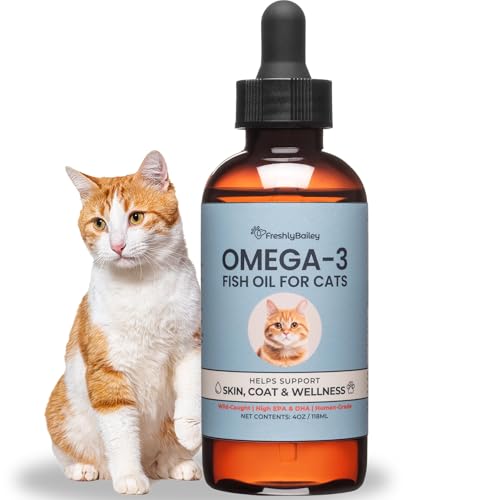
Freshly Bailey Omega-3 Skin and Coat Oil
Supports skin health for a fresher, less greasy senior coat
Product picks are researched, not veterinary advice. As an Amazon Associate we earn from qualifying purchases.
First, Treat the Smell as a Clue
The most useful thing to know is that a bad smell in a senior cat is usually a symptom, not a hygiene failure. Rather than just masking it, your goal is to find the source, because the source is often a treatable medical condition. Pay attention to where the odor seems to come from and what it smells like, since that narrows things down considerably.
The Most Common Cause: Dental Disease
By far the most frequent reason an old cat develops bad breath is dental disease, which affects the majority of senior cats. Plaque hardens into tartar, gums become infected, and conditions like resorptive lesions and stomatitis set in, all breeding the bacteria that produce a strong, foul odor. The smell often arrives with other signs of mouth pain: drooling, dropping food, chewing on one side, or pawing at the face. Because cats hide oral pain so well, bad breath is frequently the first thing owners notice.
The fix is a veterinary dental exam, usually followed by a cleaning and treatment under anesthesia. At home, brushing and dental water additives help slow the buildup between cleanings, but they do not replace professional care for a mouth that is already diseased.
A Stainless Steel Fountain for a Senior Cat.Chronic kidney disease is the most common serious diagnosis in older cats, and the single most useful thing at home is getting more water into them. Cats drink more from moving water, and stainless steel is easier to keep clean than plastic, which is where biofilm and chin acne start.Affiliate link
Kidney Disease and the Ammonia Smell
If your cat's breath smells like ammonia or urine rather than simple rot, kidney disease is a leading suspect. Chronic kidney disease is the most common serious illness in senior cats. As the kidneys fail to clear waste products from the blood, those toxins build up and can lend the breath a uremic, ammonia-like odor. This usually comes alongside increased thirst and urination, weight loss, and a fading appetite. A different sweet or fruity breath smell can point toward diabetes. Both deserve prompt veterinary bloodwork.
Editor's Pick · Affiliate link
A Stainless Steel Fountain for a Senior Cat
Chronic kidney disease is the most common serious diagnosis in older cats, and the single most useful thing at home is getting more water into them. Cats drink more from moving water, and stainless steel is easier to keep clean than plastic, which is where biofilm and chin acne start.
Skin and Coat Odor From Reduced Grooming
When a senior cat stops grooming, its coat quickly loses the freshness that constant self-cleaning provided. Skin oils accumulate and turn rancid, producing a greasy, musty smell, and dead fur mats and traps odor. The reduced grooming itself usually traces back to arthritis, dental pain, or obesity. Skin infections and seborrhea can add their own distinct smell. Helping with regular brushing and gentle waterless cleaning manages the odor, while an omega-3 supplement and treating the underlying cause support healthier skin over time.
Senior Cat Wellness & Care Planner
Track your aging cat's health, meds, vet visits, mobility, nutrition, and quality of life, all in one printable planner.
Other Sources Worth Checking
- Ears: Ear infections give off a yeasty or foul smell, often with dark discharge, head shaking, and scratching. Have your vet examine the ears rather than probing the canal yourself.
- Rear end: A cat that cannot reach to clean itself may have feces or urine matted around the tail base, causing odor and skin irritation. Gentle wipes and keeping the area trimmed help.
- Anal glands: Though less common in cats than dogs, impacted or infected anal glands can produce a strong fishy smell and need veterinary attention.
- Wounds or abscesses: A hidden infected wound, especially in cats that go outdoors, can smell foul and requires prompt care.
How to Help at Home
While you arrange a veterinary visit, supportive care keeps your cat fresher and more comfortable:
- Groom regularly. Brush out greasy, shed fur and prevent mats, focusing on the areas your cat can no longer reach.
- Spot-clean gently. Use grooming wipes or waterless shampoo to freshen the coat and clean a soiled rear without a stressful bath.
- Support dental health. Brush if your cat allows it, or add a dental water additive to reduce mouth bacteria.
- Keep the litter area spotless. Scoop frequently so odor is not coming from the box itself.
These steps manage the smell, but because a bad odor in an older cat so often points to a treatable condition like dental or kidney disease, the most important step is a veterinary exam to find and address the cause. Your cat is not just smelly, it is telling you it needs help, and that is worth listening to.
Related Guides
- Dental Disease in Senior Cats - The most common cause of bad breath in older cats.
- Kidney Disease in Senior Cats - When the breath smells like ammonia.
- Senior Cat Stopped Grooming Itself - Why a coat turns greasy and musty.
Editor's Pick · Affiliate link
A Stainless Steel Fountain for a Senior Cat
Chronic kidney disease is the most common serious diagnosis in older cats, and moving water is the easiest way to raise daily intake. Stainless steel stays cleaner than plastic, which matters on a bowl that runs all day.
Frequently Asked Questions
Why does my old cat suddenly smell bad?
A new odor in an older cat is almost always a medical sign rather than just poor hygiene. The most common source is dental disease, which produces a distinctive foul breath. Other causes include kidney disease, which can give the breath an ammonia or urine-like smell, skin and coat problems in a cat that has stopped grooming, ear infections, and soiling around the rear. Because odor often points to a treatable health issue, a new smell deserves a veterinary checkup.
What does it mean if my cat's breath smells really bad?
Strong, foul breath is most often a sign of dental disease, which is widespread in senior cats and frequently painful. Tartar, gum infection, resorptive lesions, and stomatitis all generate odor-causing bacteria. A different smell, breath that is sweet or fruity or like ammonia, can point to systemic illness such as diabetes or kidney disease rather than the mouth itself. Either way, bad breath is not normal in cats and should prompt a dental and general health exam.
Can kidney disease make a cat smell bad?
Yes. In advanced kidney disease, waste products that healthy kidneys would clear build up in the blood, and the breath can take on an ammonia-like or urine-like odor sometimes described as uremic. Kidney disease is the most common serious illness in senior cats, so this smell is an important warning sign. It usually comes with other clues such as increased thirst and urination, weight loss, and reduced appetite. Prompt veterinary testing can diagnose it and guide management.
Why does my senior cat's fur smell even though it's not dirty?
When a cat stops grooming itself, its coat loses the constant cleaning that kept it fresh, and skin oils build up and turn rancid, producing a greasy, musty smell. The cause is usually pain or illness behind the reduced grooming, such as arthritis, dental pain, or obesity. Skin infections and seborrhea can add their own odor. Helping with regular brushing and gentle waterless cleaning manages the smell, but the underlying reason for the lost grooming should be addressed with your vet.
Could an ear infection be the source of the smell?
Yes, ear infections produce a distinct yeasty or foul odor and are worth checking if you cannot trace a smell to the mouth or coat. Look for dark or waxy discharge, redness inside the ear flap, head shaking, or scratching at the ears. Senior cats can also develop ear problems linked to other conditions. Do not clean deep into the ear canal yourself; have your vet examine the ears, identify the cause, and prescribe the right treatment.
Is a bad smell from my cat an emergency?
A new odor is rarely an emergency in itself, but it is a clear signal to schedule a veterinary visit rather than ignore it, because it usually reflects an underlying problem like dental disease or kidney disease that benefits from early treatment. Seek prompt care if the odor comes with not eating, lethargy, vomiting, difficulty urinating, or a wound, since those can be urgent. When in doubt, a quick call to your veterinarian helps you judge how soon to be seen.
How can I help my smelly senior cat at home?
Start by helping with the grooming your cat can no longer do: brush regularly to remove greasy, shed fur and use grooming wipes or waterless shampoo to freshen the coat and clean a soiled rear. Support dental health with brushing or a water additive, and keep the litter area scrupulously clean. These steps manage odor and keep your cat comfortable, but they are supportive care. Because most bad smells trace to a treatable condition, pair them with a veterinary exam to find the cause.
Need more help with your aging cat?
Browse our guides by topic to find practical solutions.
Wellness Planner: $39