Automatic Litter Boxes for Senior Cats: Worth It?
Are automatic, self-cleaning litter boxes right for a senior cat? The pros, the real accessibility and noise concerns, and top picks worth considering.
A litter box that cleans itself sounds ideal, especially for a senior cat who is fussy about cleanliness and an owner tired of constant scooping. Self-cleaning boxes do keep litter consistently fresh, which older cats genuinely value. But they come with real trade-offs that matter more for an aging cat, from entry height to motor noise, and they are not the right answer for every senior.
This guide weighs the honest pros and cons of automatic litter boxes for older cats, what to check before buying, and a few options worth considering. We did not run hands-on lab tests; we evaluated specifications, designs, and a broad set of owner reviews with the senior cat specifically in mind.
Automatic Boxes and an Accessible Backup

PARUUNTYS PARUUNTYS Open-Top Self-Cleaning Box
An open-top automatic box with easier access than enclosed models
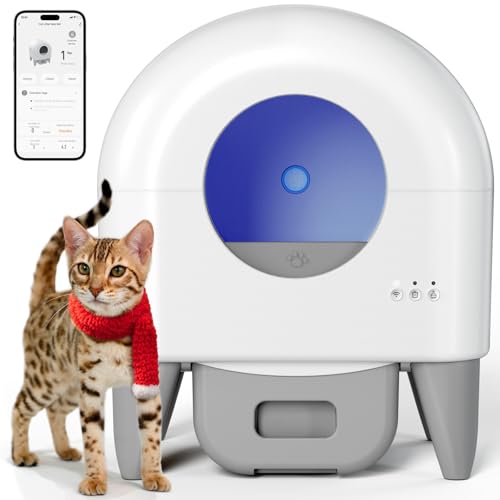
Fumoi Fumoi Large-Capacity Automatic Box
A roomy self-cleaning box for cats who like space to turn

BOHESI Jumbo Low-Entry Litter Box
A simple low-entry manual box as a safe accessible fallback
Product picks are researched, not veterinary advice. As an Amazon Associate we earn from qualifying purchases.
The Appeal for Senior Cats
The case for an automatic box rests on cleanliness and convenience. Senior cats are especially particular about a soiled box, and a self-cleaning model keeps the surface fresh between your visits. For cats with kidney disease or diabetes who urinate more, that constant freshness can mean fewer accidents. And for owners, never having to scoop is a genuine relief, particularly in a multi-cat home or a busy household.
The Real Concerns for Older Cats
Access and Entry Height
This is the biggest issue. Many automatic boxes sit higher off the ground or use an enclosed, stepped design that an arthritic cat finds hard to enter. For a senior cat, easy, low access is non-negotiable, so always check the entry height and interior room before buying, and watch how your cat actually manages it. If they hesitate or struggle, the convenience is not worth it.
Noise and Startle
The motor and cleaning mechanism make noise and movement that can frighten a timid older cat, who may then avoid the box. Better models cycle only after the cat leaves and use sensors to avoid activating while a cat is inside, which reduces the startle, but some seniors never make peace with it.
Harder Health Monitoring
Watching urine clumps and stool is a valuable early-warning system in an older cat, and an automatic box that whisks waste away can hide those clues. If you use one, check periodically what it is clearing, especially for a cat with a known condition.
Senior Cat Wellness & Care Planner
Track your aging cat's health, meds, vet visits, mobility, nutrition, and quality of life, all in one printable planner.
Safety Considerations
Reputable automatic boxes include weight or motion sensors meant to stop the cleaning cycle from running while a cat is inside, plus a delay before cycling. Used as directed and kept well maintained, they are generally safe. Still, supervise the transition with a slow-moving or frail senior cat, and if you have any doubt, a manual low-entry box removes the concern entirely. Accessibility and your cat's comfort always outrank automation.
How to Transition a Senior Cat
If you decide to try one, introduce it gradually. Set the new box beside the existing one with the automatic function off at first, so your cat gets used to its shape and entry. Once they use it comfortably, turn on the cycle while you are nearby to reassure them, letting it run only after they leave. Keep the old box available throughout. If your cat shows stress or starts avoiding it, do not force the change, and keep an accessible manual box as a reliable fallback.
The Bottom Line
Automatic litter boxes can be a real convenience and keep things cleaner for a senior cat, but only if the entry is genuinely accessible and your cat is comfortable with the noise and motion. For an arthritic or anxious older cat, a simple low-entry manual box is often the kinder, safer choice, and it makes a sensible backup even if you do try automation. Let your individual cat's mobility and temperament guide the decision. This guide is educational and complements, rather than replaces, advice from your veterinarian.
Related Guides
- Best Low-Entry Litter Boxes - The accessible boxes seniors handle best.
- Best Litter Boxes for Senior Cats - Low-side, jumbo, and stainless options.
- Senior Cat Litter Box Problems - The medical-first guide to box trouble.
We review them on their own too, in full detail: the Litter-Robot 4, the PETKIT Purobot Ultra and the Neakasa M1 Plus.
Editor's Pick · Affiliate link
A Stainless Steel Fountain for a Senior Cat
Chronic kidney disease is the most common serious diagnosis in older cats, and moving water is the easiest way to raise daily intake. Stainless steel stays cleaner than plastic, which matters on a bowl that runs all day.
Frequently Asked Questions
Are automatic litter boxes good for senior cats?
They can be, but with caveats. Self-cleaning boxes keep the litter consistently clean, which senior cats appreciate, and they spare owners constant scooping. The downsides matter for older cats: many automatic boxes have higher walls or a raised entry that an arthritic cat struggles to climb, the motor noise can frighten a timid senior, and the automatic cycling can be startling. They suit some senior cats well and others poorly, so the individual cat's mobility and temperament decide.
Can an arthritic cat use a self-cleaning litter box?
Only if the entry is low and accessible enough. Many self-cleaning boxes sit higher off the ground or have a stepped, enclosed design that is hard for a stiff, arthritic cat to enter. Before buying, check the entry height and interior space carefully, and watch how your cat manages it. If your cat hesitates, struggles to climb in, or avoids it, a simple low-entry manual box is the kinder choice, since easy access always comes first for a senior cat.
Do automatic litter boxes scare older cats?
Some do. The motor, the raking or rotating mechanism, and the sudden movement of an automatic cycle can startle a cat, and older cats are often more set in their ways and more easily unsettled. Many boxes only cycle after the cat leaves and have sensors to prevent activating while the cat is inside, which helps. Introduce any automatic box slowly, and if your senior cat remains nervous around it, do not force the issue.
Will a self-cleaning box help if my senior cat has kidney disease?
It can be convenient, because cats with kidney disease urinate more and a self-cleaning box keeps up without constant scooping. However, automatic boxes can make it harder for you to monitor urine output and clump size, which are useful health clues in a kidney patient. If you rely on an automatic box, periodically check what it is clearing. Easy, low access still matters most, so never trade accessibility for automation with a senior cat.
Are automatic litter boxes safe for cats?
Reputable automatic boxes include weight or motion sensors designed to prevent the cleaning cycle from running while a cat is inside, and a delay before cycling. They are generally safe when used as directed, but supervise the transition with a senior cat, who may move slowly or linger. Keep the box well maintained so the mechanism works reliably. If you have any doubt about a nervous or very frail cat, a manual low-entry box removes the concern entirely.
How do I transition a senior cat to an automatic litter box?
Go slowly. Place the new box beside the existing one without turning on the automatic function at first, so your cat gets used to the shape and entry. Once they are using it comfortably, enable the cleaning cycle while you are around to reassure them, and let it run only after they have left. Keep the old box available during the switch. If your senior cat shows stress or avoids the new box, do not rush or force the change.
Need more help with your aging cat?
Browse our guides by topic to find practical solutions.
Wellness Planner: $39