Senior Cat Not Eating: Appetite Tips That Help
When your senior cat won't eat: causes, when to worry, and how to stimulate appetite with warming, toppers, and vet options like Mirataz. Educational, not a vet substitute.
Few things worry the owner of an older cat more than a full food bowl. A senior cat who turns away from meals is telling you something, and with cats that message is rarely just fussiness. Appetite loss in an aging cat is one of the earliest and most honest signs of a problem, because cats are experts at hiding illness until it shows up at the food dish.
This guide covers why older cats stop eating, when it becomes an emergency, and the practical steps and products that help tempt a reluctant cat to eat. It is educational only. Persistent appetite loss is a reason to see your veterinarian, not to keep experimenting at home.
First, Understand the Urgency
Cats are not designed to fast. When a cat stops eating, the body mobilizes fat for energy, and a cat's liver can be overwhelmed by that fat, leading to hepatic lipidosis, a life-threatening fatty liver condition. Overweight cats are at especially high risk. This is why appetite loss in a senior cat is genuinely time-sensitive. If your older cat eats little or nothing for more than 24 to 48 hours, call your veterinarian. Do not assume they will eat when they are hungry enough, because by then serious damage may already be underway.
Why Older Cats Lose Their Appetite
Appetite is a symptom, not a diagnosis. The common culprits in senior cats include:
- Dental disease: Resorptive lesions, gingivitis, and abscesses make eating painful, so the cat avoids the bowl.
- Chronic kidney disease: CKD causes nausea and a buildup of waste products that suppress appetite.
- Hyperthyroidism: Early on it increases appetite, but advanced or treated cases can swing the other way.
- Nausea and gastrointestinal disease: Inflammatory bowel disease, pancreatitis, and constipation all reduce interest in food.
- Pain anywhere: Arthritis or other discomfort lowers a cat's overall drive to eat.
- Reduced smell and taste: Aging dulls the senses that make food appealing in the first place.
Because the list is long and the conditions are serious, a veterinary exam with bloodwork is the right first move when a senior cat's appetite drops. Treating the cause, whether that is a dental cleaning, anti-nausea medication, or thyroid therapy, usually does more than any feeding trick.
Prescription Appetite Stimulants: Mirataz and Beyond
When a cat needs a real pharmacological nudge, veterinarians have effective tools. Mirataz is a transdermal mirtazapine ointment, FDA-approved for cats, that you rub onto the inside of the ear once daily. It both stimulates appetite and reduces nausea, and the through-the-skin delivery avoids the wrestling match of pilling a sick cat. Oral mirtazapine tablets are another option. Capromorelin, sold as a flavored liquid, is a newer appetite stimulant some vets use as well.
These are prescription medications for good reason. Your veterinarian sets the dose, watches for side effects, and uses them as part of treating the underlying problem, not as a substitute for diagnosis. If your cat has been off food, ask whether an appetite stimulant belongs in the plan while the root cause is addressed.
A Stainless Steel Fountain for a Senior Cat.Chronic kidney disease is the most common serious diagnosis in older cats, and the single most useful thing at home is getting more water into them. Cats drink more from moving water, and stainless steel is easier to keep clean than plastic, which is where biofilm and chin acne start.Affiliate link
At-Home Tricks to Tempt a Reluctant Eater
Alongside veterinary care, several simple techniques often coax a hesitant senior cat back to the bowl:
Warm the Food
This is the highest-yield trick. Warm wet food to about body temperature for five to ten seconds, stir to eliminate hot spots, and test it on your wrist. The released aroma can wake up an appetite that cold food leaves flat, especially in a cat whose sense of smell has dulled.
Lean Into Aroma and Texture
Strong-smelling foods like fish-based pates or warmed wet food carry more scent. Offer smooth textures that are easy on a sore mouth. Some cats who refuse chunks will eat a soft pate or mousse, and a splash of low-sodium tuna water or warm water mixed in adds both aroma and moisture.
Use Lickable Treats and Toppers
Lickable purees and savory toppers can restart interest in food. Offered from your finger or smeared on top of a meal, a lickable treat sometimes breaks a fast and leads a cat into eating the food underneath.
Reduce Stress at Mealtime
Feed in a quiet spot away from the litter box and from other pets who may intimidate an older cat. Use a wide, shallow dish so sensitive whiskers do not rub the sides. Keep mealtimes predictable, since routine reassures an aging cat.
Appetite Helpers for Senior Cats
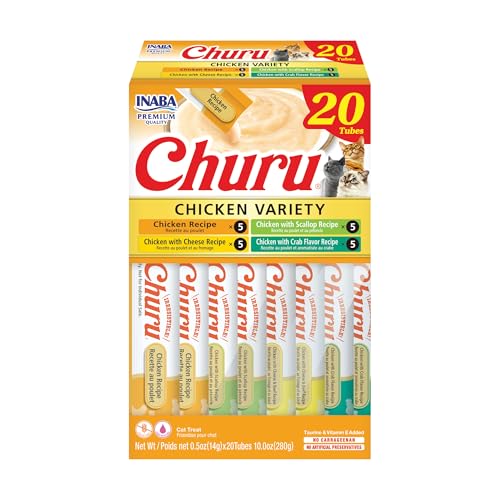
INABA INABA Churu Lickable Puree Treats
Highly palatable lickable puree to tempt a reluctant eater

Tomlyn Tomlyn Nutri-Cal High Calorie Gel
Calorie-dense gel that delivers nutrition when intake is low

Cat-Man-Doo Cat-Man-Doo Bonito Flakes Topper
Single-ingredient aromatic topper to spark interest in food

Pro Plan Vet Diets Purina FortiFlora Probiotic
Vet-recommended probiotic that supports gut comfort and appetite
Product picks are researched, not veterinary advice. As an Amazon Associate we earn from qualifying purchases.
Appetite Support Quick Links
- INABA Churu Lickable Treats - finger-feed to break a fast
- Tomlyn Nutri-Cal High Calorie Gel - concentrated calories for low-intake days
- Browse cat appetite helpers on Amazon
These toppers and gels encourage eating but do not replace a veterinary diagnosis. Prescription appetite stimulants like Mirataz require a vet.
When to Stop Trying Tricks and Call the Vet
Home strategies are appropriate for a cat who is mildly off their food but still eating something and otherwise acting normal. Escalate quickly if you see total refusal of food for more than a day, ongoing weight loss, hiding, vomiting, drooling, weakness, or pawing at the mouth. These point to a medical problem that no amount of warming or topping will fix. Do not start syringe feeding on your own, as it can cause aspiration and lasting food aversion. Let your veterinarian guide assisted feeding if it is needed.
The Bottom Line
A senior cat who will not eat is a cat asking for help. The single most important response is timely veterinary care, because appetite loss is an early signal of treatable conditions and because cats cannot safely fast. While you address the underlying cause, warming food, leaning into aroma, offering lickable treats, and reducing mealtime stress can keep your cat eating. Used together with your vet's plan, including prescription appetite stimulants when warranted, these steps give your older cat the best chance to recover their interest in food.
Related Guides
- Best Wet Food for Older Cats - Aromatic, soft foods that tempt picky seniors.
- Best Food for Senior Cats with Kidney Disease - Appetite and nausea in CKD cats.
- Weight Management for Older Cats - When weight loss accompanies appetite changes.
Senior Cat Wellness & Care Planner
Track your aging cat's health, meds, vet visits, mobility, nutrition, and quality of life, all in one printable planner.
Editor's Pick · Affiliate link
A Stainless Steel Fountain for a Senior Cat
Chronic kidney disease is the most common serious diagnosis in older cats, and moving water is the easiest way to raise daily intake. Stainless steel stays cleaner than plastic, which matters on a bowl that runs all day.
Frequently Asked Questions
How long can a senior cat safely go without eating?
Not long. A cat that eats little or nothing for more than 24 to 48 hours is at real risk, because cats can develop hepatic lipidosis, a dangerous fatty liver condition, when they stop eating. Overweight cats are especially vulnerable. Treat a senior cat refusing food for a day or two as urgent and call your veterinarian rather than waiting it out.
What is the most common reason an old cat stops eating?
Appetite loss in senior cats almost always signals an underlying problem rather than pickiness. Dental pain, chronic kidney disease, hyperthyroidism, nausea, constipation, and pain anywhere in the body all suppress appetite. Because cats hide illness, a sudden drop in eating is one of the clearest signals you get. The first step is a veterinary exam to find and treat the cause.
What is Mirataz, and how does it work?
Mirataz is a transdermal form of mirtazapine, a prescription appetite stimulant applied as an ointment to the inside of the cat's ear, where it absorbs through the skin. It stimulates appetite and reduces nausea and is FDA-approved for cats. Your veterinarian prescribes it and sets the dose, since it is a medication with real effects and is not available over the counter.
Are there over-the-counter appetite stimulants for cats?
True appetite stimulant drugs like mirtazapine and capromorelin are prescription only. Over the counter, you can use highly palatable lickable treats, calorie-dense nutritional gels, and aromatic toppers to tempt eating, plus probiotics that support gut comfort. These encourage a reluctant cat to eat but do not replace diagnosing why appetite dropped, which still needs your vet.
Does warming food really help a cat eat?
Yes, often dramatically. A cat's sense of smell fades with age, and aroma is what convinces an older cat that food is worth eating. Warming wet food to about body temperature for five to ten seconds releases scent compounds and mimics the warmth of fresh prey. Stir to remove hot spots and test it before serving. It is one of the simplest, most effective tricks.
How can I tell appetite loss from normal pickiness?
Pickiness usually means a cat rejects one food but eats another eagerly and stays at a stable weight. Appetite loss looks different: declining interest across foods, eating less overall, weight loss, hiding, drooling, or pawing at the mouth. Any of those patterns, or refusal lasting more than a day, points to a medical cause and warrants a veterinary visit, not just a new flavor.
Should I force-feed my cat if they won't eat?
Do not begin syringe or force feeding on your own without veterinary guidance, since it can cause aspiration, stress, and lasting food aversion if done wrong. If your cat needs assisted feeding, your vet will show you a safe technique and the right high-calorie recovery diet. The priority is finding why your cat stopped eating and treating that underlying cause.
Need more help with your aging cat?
Browse our guides by topic to find practical solutions.
Wellness Planner: $39