Keeping Senior Cats Warm in Winter
Older cats lose body heat fast. Compare heated beds, self-warming caves, and microwave pads, plus simple ways to keep your senior cat cozy and pain-free all winter.
An aging cat who once sprawled comfortably across the cool kitchen floor may now spend her whole winter curled into the tightest possible ball, burrowed under a blanket, or pressed against the heat vent. She is not being dramatic. Senior cats genuinely lose body heat faster than young ones, because age strips away the muscle and fat that generate and hold warmth, and arthritis aches more in the cold. Keeping her warm is one of the most appreciated and most affordable kindnesses you can offer.
This guide focuses on the practical question of how to actually keep an older cat warm: which beds work, how to use them safely, and the simple no-cost tricks that round out a cozy winter setup. If you want the broader seasonal picture including hydration and health, see our companion winter care for senior cats guide.
Best Ways to Keep a Senior Cat Warm

CATISM Self-Warming Hooded Cat Bed
Reflective cave design bounces body heat back, no electricity required

K&H Pet Products Bolster Heated Cat Bed
Thermostatic warmth tuned to your cat's body temperature for steady comfort

Snugglesafe Microwave Heat Pad for Pets
Chew-proof disk holds warmth up to eight hours with no cord near the bed
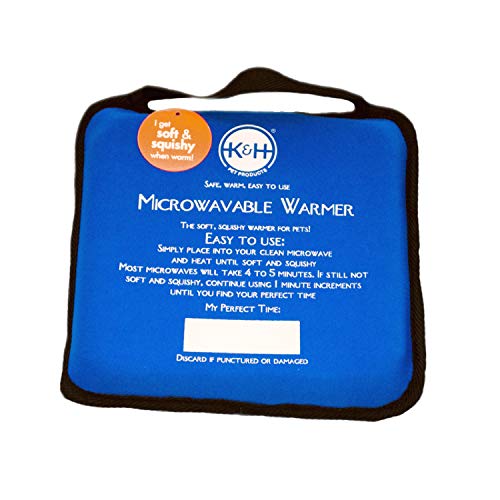
K&H Pet Products Microwavable Pet Bed Warmer
Slip a reheatable warming disk under existing bedding for hours of cozy heat
Product picks are researched, not veterinary advice. As an Amazon Associate we earn from qualifying purchases.
Why Older Cats Get Cold So Easily
Three age-related changes leave senior cats vulnerable to cold. First, they lose lean muscle, the body's main heat engine. Second, many thin out and lose the insulating fat layer that traps warmth. Third, circulation and temperature regulation become less efficient. Add the fact that arthritis, present in most cats over twelve, hurts more in the cold, and it is easy to see why your older cat now chases every sunbeam.
Warmth does double duty for these cats: it keeps them comfortable and it eases joint pain. That is why a sore senior will park herself on a heated bed for hours.
Choosing the Right Warm Bed
There is no single best option, only the one your cat will actually use. Here is how the main types compare.
Electric heated beds
These deliver the most consistent warmth and are the gold standard for arthritic seniors. Look for a pet-specific model that is thermostatically controlled, so it warms to body temperature and no hotter, and that carries a MET or UL safety listing with a chew-resistant cord. They can run continuously and are worth the slightly higher cost for a cat in real discomfort.
Self-warming beds and caves
These use a layer of reflective insulation to send your cat's own body heat back at her. They need no power, never overheat, and the hooded or donut shapes trap warmth around a curled-up cat. They are a perfect choice for cats wary of plugged-in beds, for travel, or as a second warm spot in another room.
Microwave heat pads
A disk like a SnuggleSafe heats in the microwave in a few minutes and stays warm for up to eight hours. It is cordless, chew-safe, and ideal to tuck under a favorite blanket or inside a cave bed. Many owners use one as a top-up under existing bedding so the warmth surrounds the cat without any wires nearby.
Warm Bed Options for Senior Cats
- Heated Cat Beds - Steady, thermostatic warmth for the coldest nights
- Self-Warming Cat Caves - Cordless burrow beds that need no power
- Microwave Heat Pads - Hours of safe warmth to tuck under bedding
Place the Bed Where It Counts
Even the best warm bed fails if it is in the wrong spot. A few placement rules:
- Off cold floors: tile and hardwood pull heat from a resting cat, so raise the bed or pad it well.
- Away from drafts: avoid placing it beside exterior doors, drafty windows, or vents that blow cool air.
- Near her favorite spots: put it where your cat already chooses to rest so she adopts it readily.
- Easy to reach: for an arthritic cat, keep warm beds at floor level or add pet steps to a raised perch.
Free and Low-Cost Ways to Add Warmth
You do not have to buy anything to make a real difference:
- Layer soft fleece blankets that your cat can knead and burrow into.
- Offer a covered hideaway, igloo bed, or even a box lined with a warm blanket.
- Position a bed in a sunny window where afternoon light pools.
- Close doors to seal warmth into the rooms your cat uses most.
- Keep beds clear of cold glass and exterior walls.
Stay Safe Around Heat Sources
A cold senior cat will seek out any warmth, including risky ones. Guard radiators and wood stoves so she cannot burn herself, never leave a space heater running unattended around a cat who might tip it over, and choose only pet-rated heated beds rather than human heating pads. The goal is reliable, gentle warmth that your cat controls by choosing to lie on it, never a source that can overheat or harm her.
Warm-and-Cozy Checklist
- Give your cat at least one reliably warm bed for day and night.
- Match the bed type to her comfort: heated, self-warming, or microwave-pad.
- Raise beds off cold floors and keep them out of drafts.
- Place warmth near her favorite resting areas.
- Add fleece layers, hideaways, and sunny-window spots for free.
- Guard radiators, heaters, and stoves from a heat-seeking cat.
- Never use a human heating pad on a cat.
This article is educational and complements, not replaces, veterinary advice. If your senior cat seems persistently cold, weak, or uncomfortable despite a warm setup, talk with your veterinarian.
Senior Cat Wellness & Care Planner
Track your aging cat's health, meds, vet visits, mobility, nutrition, and quality of life, all in one printable planner.
Editor's Pick · Affiliate link
A Stainless Steel Fountain for a Senior Cat
Chronic kidney disease is the most common serious diagnosis in older cats, and moving water is the easiest way to raise daily intake. Stainless steel stays cleaner than plastic, which matters on a bowl that runs all day.
Frequently Asked Questions
What is the best way to keep an old cat warm at night?
Give her a dedicated warm bed she can rely on while the house cools overnight. A thermostatically controlled heated bed offers the most consistent warmth and is ideal for arthritic seniors, while a self-warming cave bed or a microwave heat pad works well with no electricity. Place the bed off cold floors, away from drafts, and near where your cat already likes to sleep so she actually uses it instead of hunting for warmth.
Are heated cat beds safe to leave on all the time?
Pet-specific heated beds are designed for continuous use. Quality models are thermostatically controlled, meaning they warm only to a cat's body temperature and do not keep getting hotter, and the best ones are safety listed by MET or UL with chew-resistant cords. Never substitute a human heating pad, which runs far too hot and can burn a cat that cannot move away quickly. Inspect the cord regularly and replace any bed with damaged wiring.
How can I keep my cat warm without electricity?
Self-warming beds use reflective insulation to bounce a cat's own body heat back at her, no power required. Microwave heat pads like a SnuggleSafe warm in minutes and hold heat for up to eight hours. You can also add fleece blankets, a covered hideaway or igloo bed, and position resting spots in naturally warm areas such as sunny windows or near (but safely away from) heat vents. Layering soft, insulating bedding makes a real difference.
Why does my senior cat sleep near the radiator or heater?
She is seeking warmth her body no longer holds well on its own, and the heat also soothes arthritic joints. This is normal and healthy behavior, but make sure she cannot burn herself on a hot radiator, space heater, or wood stove. Provide a safe warm bed nearby as a better alternative, and keep space heaters guarded and never left on unattended around a cat who may knock them over.
What temperature should I keep my house for an older cat?
Aim for around 70 to 75°F in the rooms your cat uses. If you set the thermostat back at night or while away to save energy, that is fine as long as your cat has a heated or self-warming bed to retreat to. Seniors, thin cats, and those with arthritis or illness feel cold setbacks more than healthy young cats, so give them a reliable warm refuge rather than depending on the room temperature alone.
Can being cold make my cat's arthritis worse?
Yes. Cold thickens the fluid that lubricates joints and reduces blood flow to inflamed tissue, so arthritic cats are noticeably stiffer and sorer in winter. Warmth is one of the simplest forms of relief, which is why heated and self-warming beds are so valuable for senior cats. Pair warmth with non-slip rugs, easy access to perches, and a veterinary pain plan for the best comfort through the cold months.
Do indoor cats really need extra warmth in winter?
Many do, especially seniors. Indoor temperatures drop at night and near drafty windows and doors, and an older cat with less muscle and fat feels those dips more than you might. If your cat is constantly curling tight, burrowing, shivering, or chasing sun patches and heat sources, she is telling you she is cold. A warm bed and a draft-free resting spot solve the problem cheaply and noticeably improve her comfort.
Need more help with your aging cat?
Browse our guides by topic to find practical solutions.
Wellness Planner: $39