Spring Shedding in Senior Cats: Coat & Hairball Care
Older cats shed heavily in spring and groom less, leading to mats and hairballs. Learn brushing routines, hairball control, and when shedding signals a health problem.
Every spring, as the days lengthen, cats shed the thick undercoat they grew to survive winter. For a young cat, that mostly means a few weeks of extra fur on the furniture. For a senior, spring shedding can become a real comfort and health issue, because many older cats groom themselves far less than they used to. Arthritis makes twisting to reach the back and hindquarters painful, dental disease makes licking uncomfortable, and low energy means grooming simply slides down the priority list.
The result is loose hair that lingers, mats that form, and more hairballs as your cat swallows what she does manage to groom. The fix is mostly in your hands, literally: a regular, gentle brushing routine during the shed does the grooming your senior can no longer fully do herself. Here is how to manage spring shedding and when increased shedding is a sign to call the vet.
Spring Coat & Hairball Essentials

FURminator Deshedding Brush for Cats
Reaches the loose undercoat that causes mats and hairballs in long-haired seniors
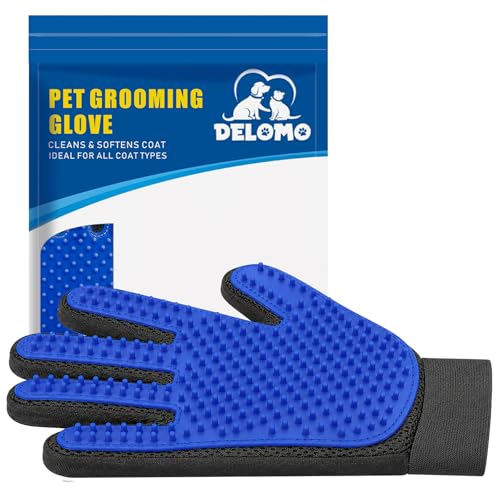
Feels like petting, ideal for cats with sensitive skin or a dislike of brushes

Pet Honesty Hairball Remedy Treats
Dual-texture treats that help loose swallowed fur pass through more easily
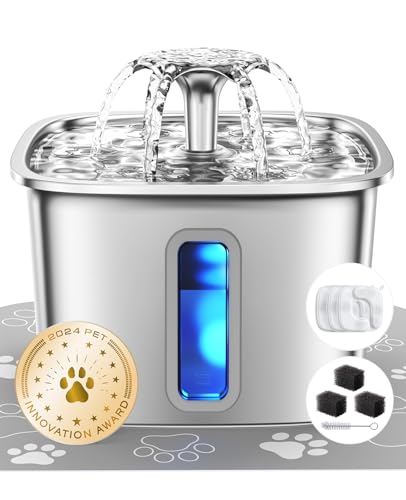
Veken Stainless Steel Water Fountain
Better hydration supports skin, coat, and easier hairball passage
Product picks are researched, not veterinary advice. As an Amazon Associate we earn from qualifying purchases.
Why Spring Shedding Hits Senior Cats Harder
Shedding is driven largely by daylight. As spring days lengthen, a cat's body sheds the dense winter undercoat it no longer needs, a normal seasonal process. What changes with age is the cat's ability to keep up with it. A senior who grooms less, because of arthritis, dental pain, or simple fatigue, leaves more loose hair tangled in her coat. That trapped fur mats against thin aging skin and gets swallowed during the grooming she does manage, fueling hairballs.
In other words, the shed itself is normal, but your senior needs more help getting through it than she once did.
Build a Gentle Brushing Routine
Brushing is the single most effective thing you can do during the spring shed. It removes loose undercoat before it mats or becomes a hairball, spreads healthy skin oils, improves circulation, and gives you a regular chance to feel for lumps, fleas, or sore spots. Keep it senior-friendly:
- Brush daily or every other day during the heavy shed, in short sessions of just a few minutes.
- Match the tool to the cat: a deshedding tool for thick or long coats, a soft glove or fine comb for sensitive or thinning skin.
- Work in the direction of the fur and never tug at mats, which pull painfully on aging skin.
- Choose calm moments, follow with a treat, and stop before she gets restless.
- Watch her comfort: if a once-tolerant cat suddenly resists, she may be sore from arthritis.
Managing Hairballs During the Shed
More loose hair means more swallowed fur, and senior digestion is often sluggish, so hairballs spike in spring. The best defense is the brushing above, removing hair before she can ingest it. Beyond that:
- Offer a hairball-control treat or remedy to help swallowed fur pass through.
- Keep her well hydrated with a water fountain and plenty of wet food, which supports both coat quality and digestion.
- Feed a complete senior diet; good nutrition shows directly in the coat.
Occasional hairballs are normal, but frequent vomiting, retching, or straining is not. Those signs can point to other digestive or systemic problems in an older cat and deserve a vet visit rather than being written off as "just hairballs."
Spring Grooming Helpers
- Deshedding Brushes - Remove the loose winter undercoat before it mats
- Grooming Gloves - Gentle option for cats who dislike brushes
- Hairball Remedy Treats - Help swallowed fur pass through more easily
When Shedding Signals a Health Problem
Seasonal shedding is normal, but coat changes can also be an early warning sign in senior cats. Mention it to your veterinarian if you notice:
- A dull, greasy, flaky, or thinning coat, which can reflect hyperthyroidism, kidney disease, diabetes, or poor nutrition.
- Heavy shedding well outside spring, or sudden coat changes.
- Bald patches or over-grooming, which may signal pain, allergies, parasites, or stress.
- Skin redness, scabs, or sores hidden under the fur.
- A cat who has stopped grooming altogether, often a sign of pain or illness.
A healthy senior coat should stay reasonably smooth and clean. Significant changes in its quality are worth a professional look.
Dealing With Mats
If your cat has developed tight mats, do not cut them out at home; thin senior skin is easily nicked, and mats can hide sores. A professional groomer or your vet can remove serious mats safely, sometimes with a sanitary or partial trim. Consistent brushing prevents most mats from forming in the first place, which is far kinder than dealing with them after the fact.
Spring Shedding Checklist
- Brush daily or every other day through the heavy shed.
- Use a deshedding tool for thick coats, a glove or comb for sensitive skin.
- Never tug at mats; have serious ones removed professionally.
- Offer hairball-control treats during peak shedding.
- Keep hydration up with a fountain and wet food.
- Watch for dull coat, bald spots, or stopped grooming as health clues.
- Mention any notable coat or skin changes to your vet.
This article is educational and complements, not replaces, veterinary care. If your senior cat's coat quality changes, she develops skin problems, or she stops grooming, have your veterinarian check for an underlying condition.
Senior Cat Wellness & Care Planner
Track your aging cat's health, meds, vet visits, mobility, nutrition, and quality of life, all in one printable planner.
Editor's Pick · Affiliate link
A Stainless Steel Fountain for a Senior Cat
Chronic kidney disease is the most common serious diagnosis in older cats, and moving water is the easiest way to raise daily intake. Stainless steel stays cleaner than plastic, which matters on a bowl that runs all day.
Frequently Asked Questions
Why do senior cats shed so much in spring?
As daylight lengthens in spring, cats naturally shed the dense winter undercoat they grew for warmth, so a seasonal increase in loose hair is normal. The difference in older cats is that many groom themselves less because of arthritis, dental pain, or low energy, so that loose hair lingers in the coat and ends up matted or swallowed as hairballs. Regular brushing during the spring shed picks up the slack and keeps her comfortable.
Why does my old cat get more hairballs in spring?
Spring shedding means a cat swallows more loose hair while grooming, and that extra fur forms hairballs. Senior cats are also more prone to digestive sluggishness, which makes passing hair harder. Brushing daily during the shed removes loose fur before she can swallow it, which is the most effective prevention. Hairball-control treats, plenty of water, and wet food also help, but ask your vet if your cat vomits frequently or strains, since that can signal other problems.
Is increased shedding ever a sign of illness in older cats?
It can be. While seasonal shedding is normal, a dull, greasy, flaky, or thinning coat, or sudden heavy shedding outside spring, can point to hyperthyroidism, kidney disease, diabetes, poor nutrition, parasites, or skin disease, all more common in seniors. Over-grooming or bald patches may signal pain, allergies, or stress. If your cat's coat quality changes noticeably or she develops skin problems, have your veterinarian check for an underlying condition.
How often should I brush a senior cat during shedding season?
Daily, or at least every other day, during the spring shed. Short, gentle sessions of a few minutes are better than occasional long ones, especially for an arthritic cat who may not tolerate extended handling. Brushing removes loose undercoat before it mats or becomes hairballs, spreads healthy skin oils, and lets you check for lumps, fleas, or sore spots. Many seniors enjoy the attention if you keep it calm and brief.
What is the best brush for a long-haired senior cat?
A deshedding tool that reaches the undercoat works best for thick or long coats, removing the loose fluff that causes mats and hairballs. For cats with sensitive or thinning skin, a soft grooming glove or a fine-toothed comb is gentler and well tolerated. Many owners use a glove to warm a cat up to grooming, then a deshedding tool for the heavy lifting. Always brush gently and avoid pulling on mats, which hurt aging skin.
How do I groom a cat that hates being brushed?
Go slowly and keep it positive. Start with a soft grooming glove, which feels like petting, and brush only a small area at a time, following with a treat. Choose moments when she is relaxed, work in the direction of the fur, and never force it or tug at mats. Several brief sessions beat one long struggle. If a normally tolerant cat suddenly resists brushing, she may be sore from arthritis, so check with your vet.
Should I have a matted senior cat professionally groomed?
Yes, for serious mats. Tight mats pull painfully on the skin, trap moisture, and can hide sores, and an older cat with thin skin is easily injured by at-home cutting. A professional groomer or your vet can safely remove mats, sometimes with a sanitary or partial trim. Regular brushing prevents most mats in the first place. If your senior has stopped grooming entirely, mention it to your vet, since it often signals pain or illness.
Need more help with your aging cat?
Browse our guides by topic to find practical solutions.
Wellness Planner: $39