How to Massage a Senior Cat: A Gentle Guide
How to massage a senior cat safely: where cats like to be touched, areas to avoid, reading your cat's signals, and simple strokes to ease a stiff, aging cat.
Massaging a senior cat is one of the gentlest things you can do for an aging companion. Done lightly and on the cat's terms, it eases tense muscles, nudges circulation along, and gives a stiff old cat a few minutes of pure comfort. Just as valuable, it puts your hands on your cat regularly, so you are the first to notice a new lump, a tender spot, or a mat forming where they can no longer reach to groom.
The key word throughout is gentle. An older cat's joints may ache in ways they hide well, so this is about light surface contact and relaxation, never deep pressure or manipulation. Let your cat lead, keep sessions short, and stop the moment they ask you to.
Gentle Tools for a Senior Cat Massage

menesia Menesia Soft Boar-Bristle Cat Brush
Gentle soft bristles for a soothing grooming massage on sensitive skin
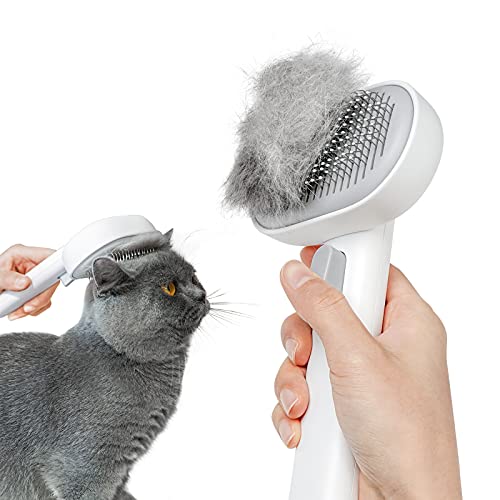
Aumuca Aumuca Cat Grooming & Massage Brush
Removes loose fur with a gentle massage for cats who can no longer self-groom

SoarExcelyy SoarExcelyy Soft Silicone Massage Brush
Soft tongue-style brush designed for sensitive and senior cats
Product picks are researched, not veterinary advice. As an Amazon Associate we earn from qualifying purchases.
Why Massage Helps an Aging Cat
As cats grow old, muscles lose tone, joints stiffen, and circulation slows. Many senior cats also groom less, partly because twisting to reach the back and hindquarters hurts arthritic joints, which leaves the coat dull and prone to matting. A few minutes of gentle massage addresses several of these at once. Light strokes warm and loosen tight muscles, improve blood flow to the skin, help redistribute coat oils, and trigger the relaxation that brings on purring. None of it replaces veterinary care, but as a daily comfort ritual it is hard to beat.
Setting Up for Success
Pick a calm moment when your cat is already relaxed, perhaps drowsy after a meal, in their favorite warm spot. Let the cat settle on a comfortable surface rather than holding them in place. Warm your hands first, since cold hands make a cat tense. Keep the room quiet and unhurried. The goal is for your cat to associate this with relaxation, so never chase a cat down to massage them or restrain one that wants to leave.
Where to Start: The Safe Zones
Begin where nearly every cat enjoys being touched, and where there are no painful joints to worry about.
- Head and face: Slow, light circles on the cheeks, under the chin, and along the forehead. The scent glands here make gentle rubbing especially pleasurable.
- Base of the ears: Soft circular motions at the ear base are a favorite for most cats.
- Neck and shoulders: Long, light strokes down the neck, then slow circles over the shoulder muscles where tension gathers.
- Down the back: Smooth, even strokes from the shoulders toward the tail using a flat hand, following the lie of the coat, with no pressure on the spine itself.
Work with the direction of the fur, keep the touch light, and pause often to read how your cat is responding before continuing.
Senior Cat Wellness & Care Planner
Track your aging cat's health, meds, vet visits, mobility, nutrition, and quality of life, all in one printable planner.
Areas to Treat With Care
Some areas need a much lighter touch, or none at all, in an older cat:
- Hips, knees, and elbows: These are the joints most often affected by feline arthritis. Stroke the muscle around them gently if your cat allows, but never press or manipulate the joint.
- Lower back near the tail: Often sore in arthritic cats; approach lightly and back off at any sign of discomfort.
- The belly: A vulnerable area for most cats. Only touch it if your cat clearly rolls over and invites it, and keep it soft and brief.
- Legs and paws: Many cats dislike having these handled. A light stroke down the leg is fine if tolerated; do not squeeze or stretch.
Reading Your Cat's Signals
Your cat is constantly telling you whether to continue. Learn to read both sides of the conversation.
Keep going: purring, kneading, a soft loose body, half-closed eyes, leaning into your hand, staying settled.
Stop now: tail flicking or thumping, ears turning back or flat, skin rippling along the back, tensing up, turning to watch or nip your hand, a low growl, or simply getting up to leave. When you see these, end the session calmly. Respecting the stop signals is what teaches your cat that handling is safe and pleasant.
Adding a Brush
A soft brush extends the massage and helps with grooming your senior cat can no longer manage alone. Use a soft-bristle or rubber grooming tool, brush gently in the direction of the coat, and pay attention to the back and hindquarters that arthritic cats neglect. Stop if you hit a mat rather than tugging it, since pulling on a mat over a sore joint is painful; trim stubborn mats carefully or have a groomer or vet handle them.
When to Skip the Massage and Call the Vet
Massage is for comfort, not diagnosis or treatment. If your cat flinches sharply, cries out, guards a body part, or you feel swelling, heat, or a new lump, stop and book a veterinary visit. Likewise, if your cat has clearly become painful, stiff, or withdrawn, see the vet first; feline arthritis is very treatable, including the monthly Solensia injection, and massage works best as a gentle add-on to a proper plan. Never attempt joint manipulation or stretching yourself.
Related Guides
- Managing Chronic Pain in Older Cats - Where gentle massage fits in a full comfort plan.
- How to Help an Arthritic Cat - Home changes that ease a stiff cat's day.
- Signs Your Old Cat Is in Pain - The subtle cues that tell you to be gentle.
Editor's Pick · Affiliate link
A Stainless Steel Fountain for a Senior Cat
Chronic kidney disease is the most common serious diagnosis in older cats, and moving water is the easiest way to raise daily intake. Stainless steel stays cleaner than plastic, which matters on a bowl that runs all day.
Frequently Asked Questions
Can massage really help my arthritic cat?
Gentle massage will not cure arthritis, but it can ease muscle tension, improve circulation, and help a stiff cat relax, and the quiet bonding time is good for both of you. It also gives you a regular chance to feel for new lumps, sore spots, or matting you might otherwise miss. Think of it as comfort care and a health check rolled into one, used alongside whatever treatment your vet has prescribed, not instead of it.
Where do cats like to be massaged?
Most cats love attention around the head and face: the cheeks, under the chin, the base of the ears, and along the forehead, where scent glands make gentle rubbing especially pleasant. Many also enjoy long, light strokes down the neck and back and slow circles over the shoulders. Be far more cautious with the belly, lower back near the tail, hips, and legs, which can be sensitive or sore in an arthritic cat. Always let your cat steer.
Are there places I should avoid?
Yes. Go gently or not at all over any joint your cat guards, since arthritic hips, knees, elbows, and the lower spine can be genuinely painful. Avoid the belly unless your cat clearly invites it, and never put pressure directly on the spine itself. Skip any area that is swollen, hot, scabbed, or that makes your cat flinch, hiss, or pull away, and mention those spots to your vet rather than working on them.
How long should a cat massage last?
Keep it short, especially at first: two to five minutes is plenty for most cats, and some will want only a minute. Cats have less patience for handling than dogs, so it is better to stop while your cat is still enjoying it than to push until they get up and leave. You can massage daily if your cat welcomes it. Let your cat's body language set both the length and the frequency.
How can I tell if my cat is enjoying it or wants me to stop?
Signs of enjoyment include purring, kneading, a relaxed loose body, half-closed eyes, leaning into your hand, and staying put. Signs to stop include tail flicking or thumping, ears going back or sideways, skin rippling along the back, tensing, turning to look at your hand, low growling, or trying to move away. The moment you see the stop signals, ease off and end the session. Forcing it teaches your cat to dread handling.
Should I use a brush or just my hands?
Both have a place. Your hands are best for slow strokes and gentle circles and for feeling what is going on under the coat. A soft brush adds a pleasant grooming massage and helps senior cats who can no longer groom their own back and hindquarters well, which is common with arthritis. Use a soft-bristle or rubber grooming tool, keep the pressure light, and watch for the same comfort and stop signals you would with your hands.
Is there anything I should not do without my vet?
Yes. Do not attempt joint manipulation, deep pressure, stretching of limbs, or anything resembling chiropractic adjustment on your own, as you can hurt an arthritic cat or worsen an undiagnosed injury. Gentle surface stroking and light circular rubbing are safe; anything more is best left to a veterinarian or a qualified professional working under veterinary referral. If your cat is in obvious pain, see the vet before starting any massage routine.
Need more help with your aging cat?
Browse our guides by topic to find practical solutions.
Wellness Planner: $39