Nail Care for Senior Cats: A Complete Guide
Why aging cats need regular nail trims, how often to clip, avoiding the quick, dewclaw dangers, and gentle technique for an arthritic senior cat.
Nail care is one of the most overlooked parts of caring for an aging cat, yet it is one of the most important. Young cats keep their claws worn and tidy by scratching and roaming, but a senior cat that scratches less and moves less stops wearing its nails down. Combined with claws that grow thicker and more brittle with age, this sets the stage for overgrown, curling nails that can grow painfully into the paw pad.
The clippers below were chosen by comparing blade quality, control, and verified owner reviews. We did not run hands-on lab tests; we evaluated specifications and owner feedback to find tools that suit careful at-home trimming of senior cats.
Trusted Nail Clippers for Senior Cats

Pet Republique Pet Republique Cat Nail Clippers
Professional stainless steel clippers sized for delicate cat claws
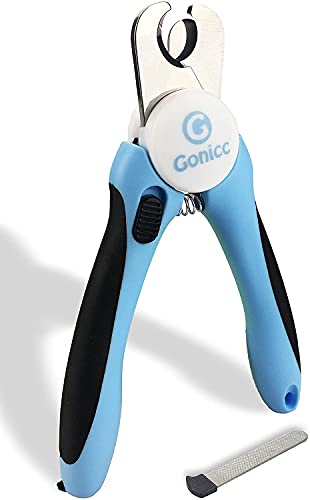
gonicc gonicc Dog & Cat Nail Clippers
Sharp clippers with a safety guard to help avoid over-cutting

PETHROOM PETHROOM Cat Nail Clipper
Quiet trimmer designed for indoor cats and easy paw handling
Product picks are researched, not veterinary advice. As an Amazon Associate we earn from qualifying purchases.
Why Older Cats Need Regular Trims
A cat's claws are kept in check by use. Scratching posts, climbing, and daily roaming all file the nails down naturally. But arthritis makes the stretch-and-scratch motion painful, and a less active senior simply does not wear its claws as it once did. The nails then keep growing, curving toward the pad. Because aging claws also thicken and lose their smooth sheath, they can splinter and become harder to manage. The fix is straightforward: a regular trimming routine that takes over the job your cat's body used to do on its own.
How Often and What to Check
Most senior cats benefit from a trim every two to three weeks, more frequently than younger cats. Each time, check every nail, and pay special attention to the dewclaws, the extra claws on the inner front legs that never touch the ground. Because dewclaws get no wear at all, they are the most likely to curl around and grow into the skin, a common and painful problem in older cats that is completely preventable with regular attention.
How to Trim Safely
- Find the quick: On pale nails, trim only the clear hook beyond the pink center; on dark nails, take tiny slices until a pale oval appears.
- Cut conservatively: Aging nails can be thick and the quick hard to judge, so leave a safe margin.
- Support, do not force: Hold the leg gently without twisting an arthritic joint into an awkward angle.
- Keep styptic powder ready: It quickly stops bleeding if you accidentally nick the quick.
- Go at your cat's pace: One or two nails per session is fine for a cat that struggles to sit still.
Senior Cat Wellness & Care Planner
Track your aging cat's health, meds, vet visits, mobility, nutrition, and quality of life, all in one printable planner.
Making It Comfortable for an Arthritic Cat
Handling sore paws and stiff joints can genuinely hurt, so technique matters as much as the clippers. Choose a moment when your cat is relaxed or drowsy, settle it on a soft surface, and reward each nail with a treat and calm praise. Stop before your cat becomes upset, and never wrestle a resistant cat, which only makes the next session harder. If your cat reacts in pain when you touch a leg or paw, mention it to your vet, since it may point to arthritis that deserves treatment in its own right.
Avoid Declawing
Declawing is not nail care. It amputates the last bone of each toe and causes lasting pain and behavioral problems, which is especially hard on a senior cat and is banned or discouraged in many regions. Regular trimming, good scratching surfaces, and nail caps where appropriate handle overgrowth and unwanted scratching humanely. There is never a reason to consider declawing an older cat as a shortcut to nail management.
When to Call the Vet
See your veterinarian promptly if a nail has already grown into the paw pad, since these are painful, often infected, and need professional removal and wound care. Also seek help if your cat's nails are persistently thick, crumbling, or discolored, which can signal infection or an underlying health issue. Once any problem is resolved, a steady trimming schedule keeps your aging cat's paws comfortable for the rest of its life.
Related Guides
- Best Cat Nail Clippers - Compare the top clippers for senior cats.
- Grooming Tips for Senior Cats - A full senior grooming routine.
- Arthritis in Senior Cats - Why stiff joints change grooming and nail care.
Editor's Pick · Affiliate link
A Stainless Steel Fountain for a Senior Cat
Chronic kidney disease is the most common serious diagnosis in older cats, and moving water is the easiest way to raise daily intake. Stainless steel stays cleaner than plastic, which matters on a bowl that runs all day.
Frequently Asked Questions
Why do senior cats need more nail care than young cats?
Older cats scratch less because arthritis makes stretching and clawing painful, and they are less active overall, so their nails do not wear down naturally. At the same time, aging nails grow thicker and more brittle, and the claws can become overgrown. Left unchecked, a curved nail can grow right into the paw pad, causing pain and infection. Regular trimming, every couple of weeks for many seniors, prevents this and keeps your cat comfortable and mobile.
How often should I trim my senior cat's nails?
Most senior cats need a trim every two to three weeks, more often than the average young cat, because they no longer wear their claws down. Get into the habit of checking all the nails, including the dewclaws higher up on the inner front legs, which are easy to miss and prone to curling into the skin. The right interval varies, so inspect the nails regularly and trim whenever they start to look long or hooked.
What is the dewclaw and why does it matter for older cats?
The dewclaw is the extra claw on the inner side of each front leg, higher up than the others, that never touches the ground. Because it gets no wear at all, it keeps growing and is the nail most likely to curl around and grow into the pad, especially in a less active senior cat. Always include the dewclaws when you check and trim, since an ingrown dewclaw is a common, painful, and entirely preventable problem in older cats.
How do I avoid cutting the quick?
The quick is the pink, blood-and-nerve-filled center of the nail. On pale claws you can see it as a pink area; trim only the clear or white hook beyond it, leaving a small margin. On dark claws, trim tiny amounts at a time until you see a pale oval appear at the cut surface, then stop. Aging nails can be thicker and the quick harder to judge, so cut conservatively. Keep styptic powder on hand to stop bleeding if you nick the quick.
My arthritic cat hates having its paws handled. What can I do?
Be gentle and patient, because handling sore paws and joints can genuinely hurt an arthritic cat. Pick a time when your cat is relaxed or sleepy, support the leg without forcing the joint into an awkward angle, and do just one or two nails per session if needed rather than all at once. Reward with treats and stop before your cat gets upset. If your cat reacts in pain or resists strongly, ask your vet to check for arthritis discomfort.
Should I declaw an older cat instead of trimming?
No. Declawing is an amputation of the last bone of each toe, not just nail removal, and it is painful, especially for a senior, and can cause lasting behavioral and mobility problems. It is banned or strongly discouraged in many places. Regular nail trimming, scratching surfaces, and nail caps where appropriate are humane alternatives that solve overgrowth and scratching concerns without surgery. Never consider declawing as a nail-care shortcut for an aging cat.
What if my cat's nail has already grown into the pad?
Treat it as a veterinary issue, not a home one. A nail that has curled into the paw pad is painful and often infected, and removing it requires careful trimming and sometimes treatment for the wound. Do not try to force it out yourself. See your vet promptly, then commit to a regular trimming schedule so it never happens again. Ingrown nails are one of the most common preventable causes of paw pain in older cats.
Need more help with your aging cat?
Browse our guides by topic to find practical solutions.
Wellness Planner: $39