Best Pet Medication Organizers for Senior Cats
A practical guide to the best pill organizers, dispensers, and tools for managing a senior cat's medications, with real options compared by use case.
When a cat reaches her senior years, the medication list tends to grow: a blood pressure pill here, a thyroid medication there, a joint supplement and an anti-nausea tablet as needs evolve. Keeping it all straight, on the right schedule, without missing or doubling a dose, is harder than it sounds, especially when more than one person shares the caregiving.
This guide rounds up the most useful tools for organizing a senior cat's medications, from simple weekly pill boxes to dispensers and pilling aids. Our recommendations are based on research, product specifications, and verified owner reviews rather than hands-on testing, and they focus on what genuinely makes daily medication management easier and safer.
Top Medication Organizers & Pilling Aids
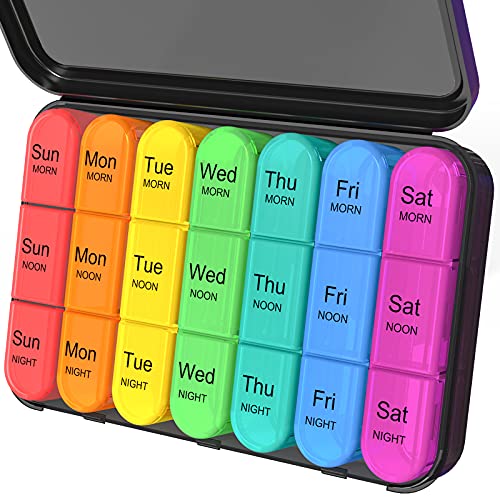
Daviky Pill Organizer, 3 Times a Day
Color-coded weekly box for cats on morning, midday, and evening doses

Amazon Basic Care 7-Day AM/PM Pill Organizer
Simple twice-daily layout that prevents morning and night mix-ups

EZY DOSE Pill Crusher, Cutter and Grinder
Splits or crushes vet-approved pills to mix into food

Greenies Pill Pockets for Pets
Soft treat that hides a pill so your cat takes it willingly
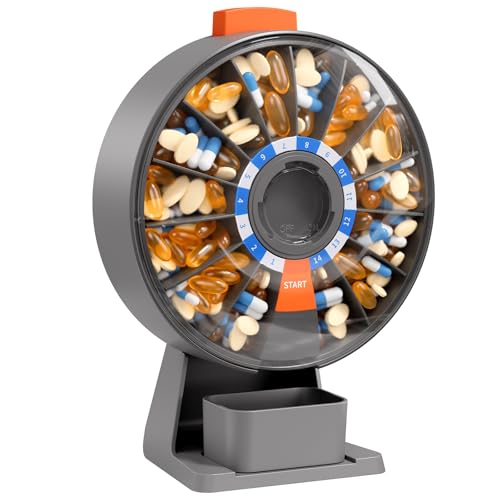
Daviky Daily Pill Dispenser with Wall Mount
Larger compartments and a visible mount for caregivers on a routine

Live Fine Automatic Pill Dispenser with Alarm
Timed compartments and reminders for households juggling many meds
Product picks are researched, not veterinary advice. As an Amazon Associate we earn from qualifying purchases.
How We Chose These Picks
We selected tools by looking at the practical realities of medicating a senior cat: clear day and time separation to prevent missed or doubled doses, compartment sizes that fit small feline pills without losing them, ease of refilling, and durability for daily use. For pilling aids we prioritized options that reduce stress for both cat and owner. Every recommendation reflects product specifications and patterns across verified owner reviews, not personal testing claims.
Choosing the Right Organizer for Your Cat
For Twice-Daily Medications: AM/PM Boxes
Many senior cat medications, including common blood pressure and thyroid drugs, are dosed twice a day. An AM/PM pill organizer gives each day two clearly separated compartments so a morning dose is never confused with an evening one. This simple layout is often all a single-cat household needs.
For Multiple Daily Doses: Three- or Four-Times-a-Day Boxes
Cats on more complex regimens benefit from an organizer with three or four compartments per day. A multi-dose weekly organizer lays out the entire week at a glance, making it easy to see whether each dose was given and when the next refill is due.
For Caregivers Who Need Reminders: Dispensers with Alarms
If you manage several medications, or worry about forgetting amid a busy schedule, an automatic dispenser with an alarm adds a timed reminder. These are designed for human medications, so you still administer the pill to your cat, but the alarm and timed compartments reduce the chance of a missed dose.
Making Medication Time Easier
The organizer solves scheduling, but actually getting the pill into your cat is the other half of the battle. A few approaches help:
- Hide it in a treat. Soft pill pockets let many cats take medication willingly, which is far less stressful than forcing a pill.
- Crush only when approved. A pill crusher or splitter helps with vet-approved medications mixed into a spoonful of strong wet food. Never crush extended-release or enteric-coated pills.
- Ask about alternatives. Some medications can be compounded into a flavored liquid or a transdermal gel applied to the ear, sidestepping pilling entirely.
- Follow with water. A small syringe of water after a pill helps it travel safely to the stomach rather than lingering in the esophagus.
Senior Cat Wellness & Care Planner
Track your aging cat's health, meds, vet visits, mobility, nutrition, and quality of life, all in one printable planner.
Building a Reliable Medication Routine
A good system pairs the right physical organizer with a written schedule. List every medication, its dose, timing, and purpose, plus refill dates so you are never caught short. Refill the organizer on the same day each week, log each dose if more than one person helps, and store medications safely away from heat and from curious paws. Consistency at the same times each day improves both your reliability and your cat's tolerance of the routine.
The Bottom Line
For most senior cats, a clearly labeled weekly pill organizer plus a treat-based delivery method covers the daily reality of medication management. Add a crusher or splitter for pills that can be altered, and step up to a dispenser with alarms only if your schedule demands the extra reminders. The goal is simple: the right medication, at the right time, with the least stress for your cat and the least worry for you.
Related Guides
- Senior Cat Vet Visit Checklist - Where most medication regimens begin.
- Cost of Treating Kidney Disease in Cats - A common reason for a growing medication list.
- How Much Does Senior Cat Care Cost Per Month? - Budgeting for ongoing prescriptions.
Editor's Pick · Affiliate link
A Stainless Steel Fountain for a Senior Cat
Chronic kidney disease is the most common serious diagnosis in older cats, and moving water is the easiest way to raise daily intake. Stainless steel stays cleaner than plastic, which matters on a bowl that runs all day.
Frequently Asked Questions
What is the best way to organize my cat's medications?
A weekly pill organizer with clearly labeled day and time compartments is the simplest reliable system for a senior cat on multiple medications. For cats on twice-daily dosing, choose an AM/PM organizer so morning and evening doses cannot be confused. Pair it with a written or phone-based schedule that lists each drug, dose, and timing, and refill the organizer on the same day each week so you can see at a glance whether a dose was missed.
How do I give a pill to a cat that hates medication?
Many owners have the most success hiding pills in a soft treat pocket designed for the purpose, since it lets the cat eat the medication willingly. If hiding does not work, a pill dispenser or piller tool places the pill at the back of the tongue quickly and safely, followed by a small syringe of water to ensure it goes down. Ask your vet whether the medication can be compounded into a flavored liquid or a transdermal gel, which avoids pilling entirely for some drugs.
Are automatic pill dispensers useful for pet medications?
Automatic dispensers are designed for human use, but they help caregivers who manage their own and their cat's medications together, or who worry about forgetting a dose. They sort doses into timed compartments and alarm when it is time. They do not dispense directly to the cat; you still administer the pill. For a single cat on one or two medications, a simple weekly organizer is usually enough.
How can I avoid double-dosing my senior cat?
Use an organizer that physically shows whether a compartment is empty, so a filled slot means the dose is still due and an empty slot means it was given. Keep a shared log if more than one person in the household gives medications, and note each dose as it happens. For critical medications, a phone reminder paired with the visible organizer adds a second layer of protection against both missed and doubled doses.
Can I crush my cat's pills to make them easier to give?
Sometimes, but not always. Many pills can be crushed and mixed into a small amount of strong-smelling wet food, but extended-release and enteric-coated medications must never be crushed, and some drugs taste bitter enough to cause drooling or food refusal. Always confirm with your veterinarian or pharmacist before crushing, and a pill crusher or splitter helps with the medications that are safe to alter.
What should a cat medication routine include?
A good routine pairs a physical organizer with a written schedule listing every medication, its dose, timing, and purpose, plus refill dates so you never run out. Store medications safely away from heat and the cat, keep your vet's and pharmacy's numbers handy, and track doses given. Consistency at the same times each day improves both your reliability and your cat's tolerance of the routine.
How do I keep track of medication refills?
Note the refill date on each prescription and set a reminder a week before you expect to run out, which leaves time for the pharmacy or your vet to process it. A pill organizer makes low supply visible, since you will notice when you cannot fill the next week. For chronic medications, ask whether a ninety-day supply or an auto-refill is available to reduce the chance of a gap.
Need more help with your aging cat?
Browse our guides by topic to find practical solutions.
Wellness Planner: $39