Senior Cat Vet Visit Checklist
A complete senior cat vet visit checklist: how often to go, what tests to expect, what to tell your vet, and how to make the trip less stressful for your cat.
Twice-yearly vet visits are one of the most powerful things you can do for an aging cat, yet they are easy to put off when your cat seems fine. The trouble is that cats are extraordinarily good at masking illness, and the conditions that matter most in old age often advance silently. A structured senior visit catches these problems while they are still manageable.
This checklist walks through how often to go, what to expect at the appointment, what to prepare beforehand, and how to keep the whole experience as calm as possible for your cat. Use it to make every visit count. As always, it is meant to support your veterinarian's guidance, not replace it.
Make Vet Trips Easier on Your Cat

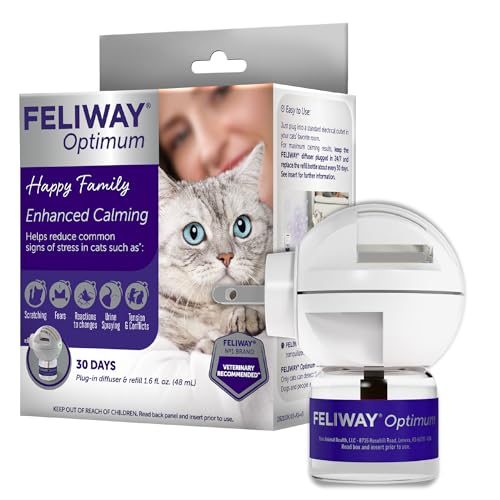
FELIWAY Calming Pheromone Diffuser
Eases anxiety before and during vet visits

Product picks are researched, not veterinary advice. As an Amazon Associate we earn from qualifying purchases.
A Stainless Steel Fountain for a Senior Cat.Chronic kidney disease is the most common serious diagnosis in older cats, and the single most useful thing at home is getting more water into them. Cats drink more from moving water, and stainless steel is easier to keep clean than plastic, which is where biofilm and chin acne start.Affiliate link
How Often Senior Cats Need to Visit
Veterinarians recommend a wellness exam every six months for cats over ten. Because cats age the equivalent of about four human years for every calendar year at this stage, twice-yearly visits roughly match the once-a-decade physical pace humans follow. Cats managing a chronic condition such as kidney disease, hyperthyroidism, or diabetes often need rechecks even more frequently, on a schedule your vet sets.
Before the Visit: What to Prepare
A few minutes of preparation makes the appointment far more productive. Bring or note:
- A list of all foods, treats, supplements, and medications with brands and doses.
- Any changes you have noticed in appetite, thirst, weight, litter box habits, grooming, activity, sleep, vocalization, or mobility, and when they began.
- Recent weight readings if you weigh your cat at home, since trends matter more than a single number.
- A fresh urine sample if your vet has asked for one, or a recent stool sample if relevant.
- Specific questions you want to ask, written down so you do not forget them in the moment.
What to Expect at the Appointment
The Physical Exam
Your vet will check your cat's weight and body condition, listen to the heart and lungs, palpate the abdomen and thyroid area, examine the eyes, ears, and mouth, assess joints and mobility, and check the coat and skin. Weight change is a key signal in older cats, so this baseline matters at every visit.
Senior Bloodwork and Urinalysis
A senior panel typically includes a complete blood count, a chemistry panel with the kidney marker SDMA, a thyroid level, and a urinalysis with urine concentration. Together these screen for the most common senior cat illnesses, often before you would notice anything at home.
Blood Pressure Check
High blood pressure is common in older cats and often linked to kidney disease or hyperthyroidism. Left untreated it can damage the eyes and other organs, so a quick blood pressure reading is an important part of a complete senior visit.
Dental Assessment
Dental disease is widespread in senior cats and a frequent source of hidden pain. Your vet will look for tartar, gum inflammation, resorptive lesions, and broken teeth, and may recommend a cleaning under anesthesia with bloodwork to confirm your cat can handle it safely.
Help with the cost of senior screening and care.Chronic kidney disease is the most common serious diagnosis in older cats, and the single most useful thing at home is getting more water into them. Cats drink more from moving water, and stainless steel is easier to keep clean than plastic, which is where biofilm and chin acne start.Affiliate link
The Big Three to Screen For
Most senior cat screening revolves around catching these early:
- Chronic kidney disease: the most common senior cat illness, flagged by SDMA, creatinine, and dilute urine.
- Hyperthyroidism: an overactive thyroid causing weight loss despite a big appetite, found on a thyroid blood test.
- Diabetes: signaled by increased thirst, urination, and weight changes, confirmed by blood and urine glucose.
Catching any of these early gives the best chance at a long, comfortable life and usually costs far less to manage than a late-stage crisis.
Senior Cat Wellness & Care Planner
Track your aging cat's health, meds, vet visits, mobility, nutrition, and quality of life, all in one printable planner.
Reducing Vet-Visit Stress
A calmer cat gives more reliable exam results and an easier day for everyone:
- Leave the carrier out at home for several days with treats and a familiar blanket so it feels safe rather than alarming.
- Use a calming pheromone sprayed in the carrier before the trip.
- Cover the carrier with a towel in the car and waiting room to limit stressful sights and sounds.
- Ask about cat-friendly clinics with separate feline waiting areas and gentle handling practices.
- Bring high-value treats to create positive associations during and after the visit.
After the Visit: Tracking and Follow-Up
Keep a simple record of weight, lab values, and any new recommendations so you can spot trends over time. If medications are prescribed, set up a routine that makes them easy to give, and note any side effects to report. Tracking at home between visits, even just weight and water intake, turns each appointment into part of a continuous picture rather than an isolated snapshot.
For a sense of what these visits and any resulting care add up to, see how much senior cat care costs per month and run your numbers through our cost calculator.
Related Guides
- Common Health Problems in Senior Cats - What your vet is screening for and why.
- Emergency Vet Fund for Cats - Preventive care plus a cushion for the unexpected.
- Best Pet Medication Organizers - Stay on top of any prescriptions after the visit.
Editor's Pick · Affiliate link
A Stainless Steel Fountain for a Senior Cat
Chronic kidney disease is the most common serious diagnosis in older cats, and moving water is the easiest way to raise daily intake. Stainless steel stays cleaner than plastic, which matters on a bowl that runs all day.
Frequently Asked Questions
How often should a senior cat go to the vet?
Cats over ten should have a wellness exam every six months rather than once a year. Cats age roughly four human years for every calendar year at this stage, so six months represents a meaningful span in which a treatable condition can appear and progress. More frequent visits may be advised for cats managing a chronic illness like kidney disease or diabetes.
What tests should a senior cat get at the vet?
A thorough senior visit usually includes a full physical exam, weight and body condition check, a complete blood count and chemistry panel with SDMA, a thyroid level, a urinalysis, and a blood pressure measurement. Many vets also recommend a dental assessment. These screen for the big three senior cat conditions: kidney disease, hyperthyroidism, and diabetes, often before symptoms are obvious.
What should I tell my vet at a senior cat checkup?
Share any changes you have noticed at home: appetite, thirst, litter box habits, weight, grooming, activity, sleep, vocalization, and mobility. Note when changes started and how they have progressed. Bring a list of all foods, supplements, and medications with doses. These everyday observations often point the vet toward the right tests faster than the exam alone.
How do I reduce my cat's stress at the vet?
Use a sturdy carrier your cat is familiar with, leave it out at home for days beforehand with treats inside, and spray it with a calming pheromone before the trip. Cover it with a towel in the car and waiting room to reduce visual stress. Some clinics are certified cat-friendly with separate feline waiting areas, which can make a real difference for an anxious older cat.
How much does a senior cat vet visit cost?
A senior wellness exam with bloodwork, urinalysis, and a blood pressure check typically costs $120 to $350, depending on your region and how comprehensive the panel is. Twice-yearly visits put annual screening costs around $240 to $700. Catching kidney disease, thyroid problems, or diabetes early through these visits usually saves far more than the cost of the screening itself.
Why is bloodwork so important for older cats?
Cats hide illness extremely well, and conditions like kidney disease can advance until much of the organ's function is gone before any outward sign appears. Bloodwork, especially the SDMA marker, can flag trouble early, while diet and other interventions can still slow the decline. Routine senior panels turn invisible internal changes into something you and your vet can act on.
Should I keep records between vet visits?
Yes. Tracking your cat's weight, appetite, water intake, litter box output, and any new behaviors gives your vet a trend rather than a single snapshot. Subtle weight loss over months or a gradual rise in thirst is far more telling than one reading. A simple notebook or planner makes these patterns visible and helps you give the vet precise information.
Need more help with your aging cat?
Browse our guides by topic to find practical solutions.
Wellness Planner: $39